
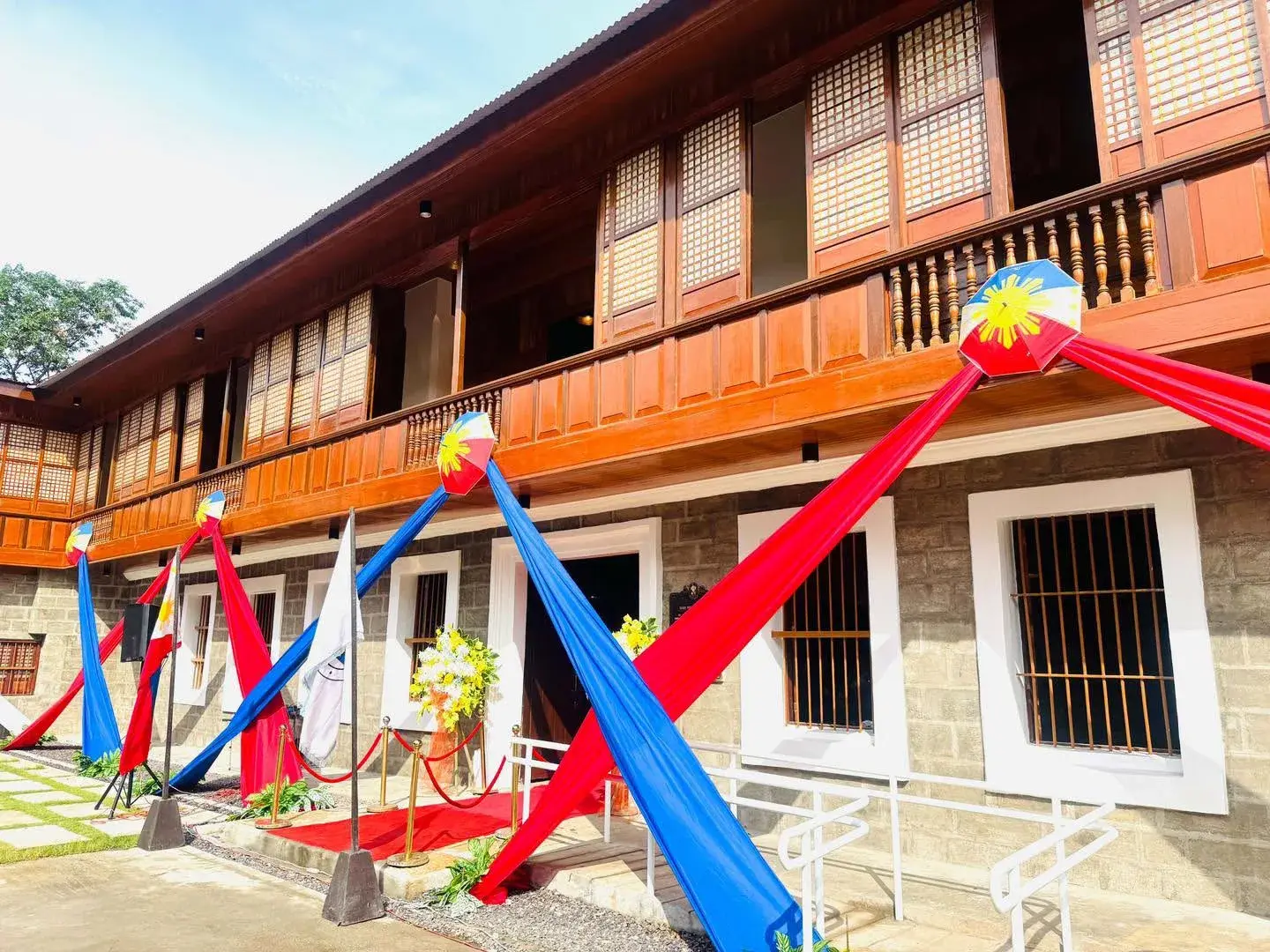
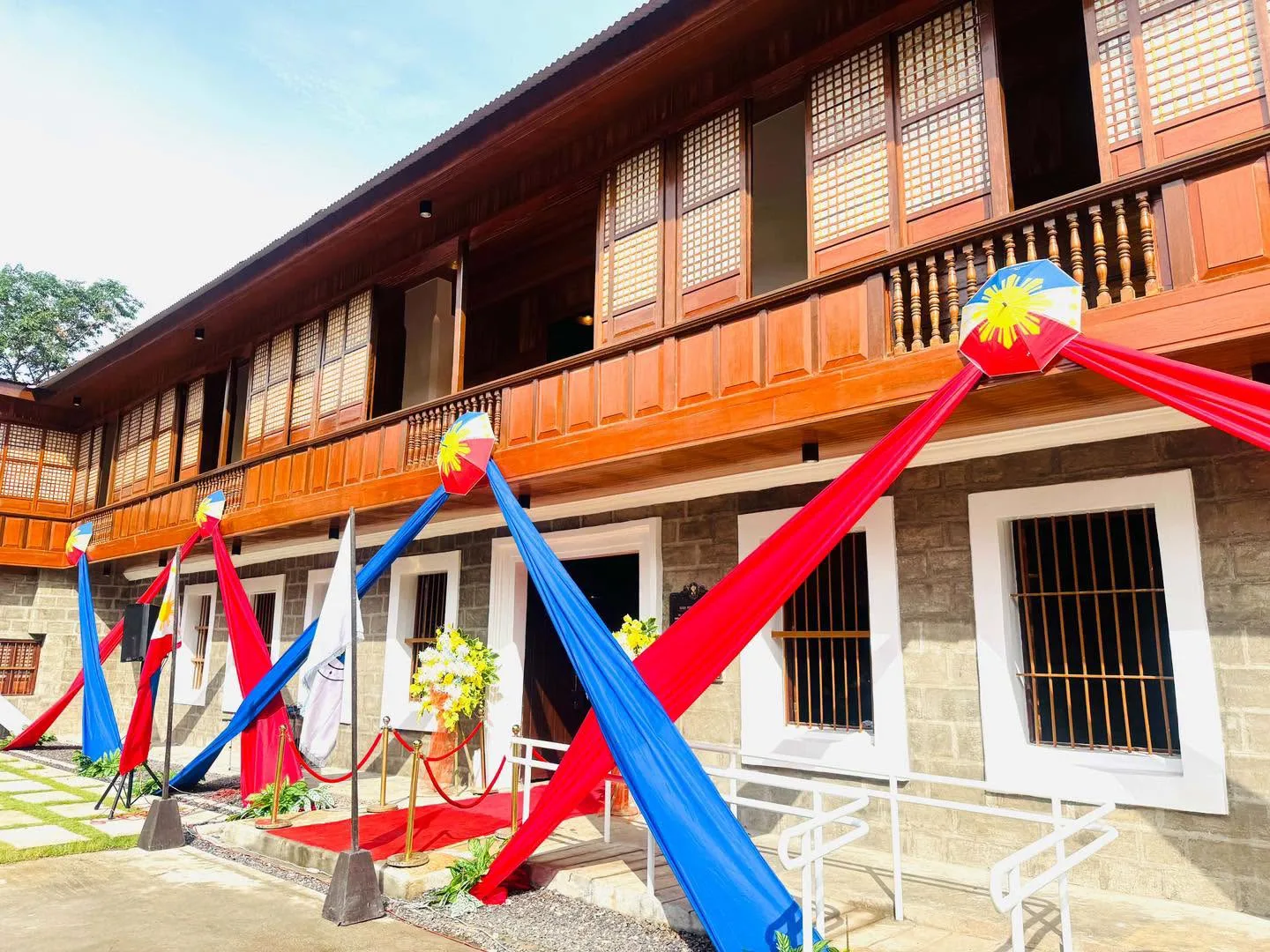
NAIC, CAVITE — History does not merely belong to dusty textbooks; it breathes within the very stone walls, wooden rafters, and silent corridors where our ancestors fought for the birth of a nation. On October 6, 2026, the town of Naic, Cavite stepped into a glorious new chapter of cultural heritage preservation. In a poignant, high-profile celebration mapping the opening of Local Government Month, municipal leaders and national educators gathered for the Official Inauguration and Solemn Blessing Ceremony of the Restored Casa Hacienda de Naic. Nestled structurally within the busy campus of Naic Elementary School, this majestic 19th-century colonial fortress has been meticulously brought back to life.
The Only Existing Friar Estate of Its Kind
Spearheaded under the active leadership of Mayor Rommel Magbitang, alongside municipal councilors and top executives from DepEd Central Luzon and Cavite, the grand unveiling serves as an unshakeable commitment to archiving the province's revolutionary memory for generations yet unborn. To understand the profound weight of this restoration, one must trace the timeline back to 1830. The massive estate was originally constructed by Dominican friars to serve as the administrative nerve center for the sprawling, 3,000-hectare Hacienda de San Isidro Labrador, housing overseers and managing regional agricultural trade. Architectural historians celebrate the landmark as a structural wonder: it stands proudly today as the only surviving friar-administered casa hacienda in the entire Philippine archipelago. While countless colonial estates across Luzon were completely obliterated by the ravages of World War II or swallowed by rapid modern real estate urbanization, Naic's heritage center endured—serving continuous duties as a revolutionary base, a colonial prison, and eventually transitioning in 1901 under American rule into a public school.
Ground Zero of the Naic Military Agreement
Beyond its architectural uniqueness, the Casa Hacienda is a sacred sanctuary of Philippine independence, deeply intertwined with the tragic, pivoting fractures of the Katipunan revolution. Following the highly controversial Tejeros Convention of March 1897—which propelled Heneral Emilio Aguinaldo into power—the house became the primary base of operations for the Father of the Philippine Revolution, Andres Bonifacio, and his remaining loyalist forces. It was within these very rooms that on April 19, 1897, Bonifacio and his generals drew up and signed the historic Naic Military Agreement (Acta de Naic). The bold manifesto explicitly rejected Aguinaldo's newly formed revolutionary government, attempting instead to establish a separate, autonomous military command headed by Bonifacio. This direct act of defiance led to the immediate arrest of the Supremo. Bonifacio and his brother, Procopio, were famously guarded and held captive inside a tight, stone prison cell (bartolina) located right on the ground floor of the Casa Hacienda before being marched to Maragondon for their eventual execution. Later, following the Easter season of that same year, President Emilio Aguinaldo took over the building, utilizing its halls to establish his historic "Cabinet of Reconciliation" in an attempt to unify the fragmented factions of the revolution.
A Interactive Bridge for Campus and Culture
The comprehensive restoration project seamlessly balances structural preservation with educational innovation. Rather than barricading the building behind cold velvet ropes, the local government unit and DepEd have seamlessly integrated the historical jewel into the active daily life of Naic Elementary School. The complex features The Restored Bartolina, a solemn, heavily researched memorial space showcasing life-sized figures that re-enact the final, quiet days of the Bonifacio brothers; The Living Museum Halls, expansive, high-ceilinged rooms curated by local historians, showcasing 19th-century artifacts, vintage maps, and interactive displays detailing Cavite's coastal and agricultural histories; and The Convergence Hub, a functional space where modern elementary students can attend specialized history workshops, lectures, and cultural art exhibits. During the ceremony, local historians led interactive lectures retracing the building's journey from a symbol of colonial friar dominance into a fortress of Filipino bravery.
An Enduring Source of Caviteño Pride
"No words can fully express our pride in reclaiming this piece of our soul," local tourism advocates noted during the ribbon-cutting event. "The Casa Hacienda is a beautiful reminder that our town was not a passive bystander in history—it was the crucible where the concepts of Filipino governance, reconciliation, and unshakeable freedom were tested and forged." As the newly polished wooden doors swing wide open under the Cavite sun, the Casa Hacienda de Naic stands tall as a lasting reminder of our past, a brilliant anchor for the present, and an enduring source of inspiration for future generations of Caviteños. Come walk through the gates of Naic Elementary School today, step onto the century-old stones, and listen closely—because here, history is alive, and the walls are still telling stories of heroes.