
Rent.ph
Metro Cebu Residential Market: A Resilient Growth Story
← Back to News
Real EstateJune 29, 2026

Metro Cebu Residential Market: A Resilient Growth Story

Summary

Metro Cebu residential property prices surged by 9.4% year-on-year in Q1 2026, marking a significant rebound for the region's housing market.

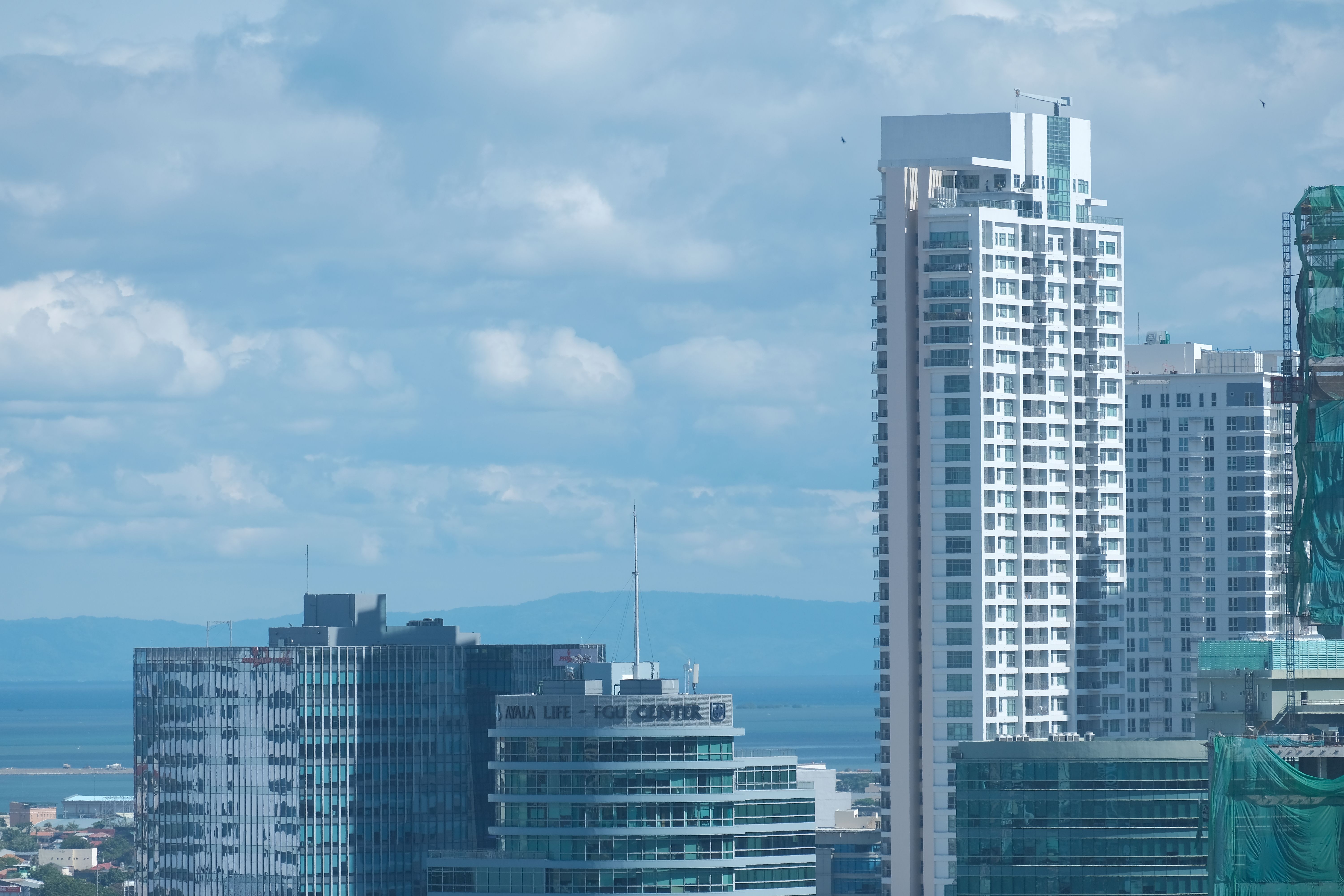
Real Estate Trends | Photo Courtesy:  Angelyn Sanjorjo (pexels.com)
Real Estate Trends | Photo Courtesy: Angelyn Sanjorjo (pexels.com)

Cebu — The residential property market in Metro Cebu has demonstrated notable strength, with prices climbing by 9.4 percent in the first quarter of 2026. Data from the Bangko Sentral ng Pilipinas (BSP) indicates that the market is rebounding from previous fluctuations, positioning the region as a primary driver of housing activity outside the National Capital Region. While loan growth across the industry has been tempered by consumer caution, the residential sector remains a key pillar of Cebu’s economic landscape. Experts suggest that as developers offer more flexible payment terms, the market is finding a new equilibrium between buyer interest and current pricing levels.

Steady Climb in Property Values

The recent price increase highlights the enduring demand for residential spaces in Cebu, even as the broader national economy navigates various financial headwinds. Unlike other regions that have experienced volatility, Metro Cebu’s property values have shown consistent quarterly growth, reflecting its importance as a center for employment and lifestyle migration. This growth is especially evident in residential units that offer accessibility to major job hubs and transport arteries. The sustained interest from both local residents and institutional investors suggests that the market’s underlying fundamentals are firm.

Navigating a Split Market

Despite the overall rise in pricing, the Cebu property sector is increasingly becoming a "split market" where affordable homes and premium condos perform differently. Lower-mid-market properties under the ₱7 million price point continue to move quickly, driven by genuine housing needs and the "Boholano and Cebuano First" preference for land ownership. Conversely, the high-end condominium segment is facing more pressure, with sellers needing to compete against aggressive developer promotions. Navigating this environment requires a discerning eye, as buyers weigh the benefits of prime location against the shifting interest rate landscape.

Future Prospects and Urban Infrastructure

Market analysts are paying close attention to upcoming infrastructure projects, most notably the Cebu Bus Rapid Transit (BRT), which is expected to redefine property values in its path. As transit-oriented development becomes a reality, the areas surrounding key stations are seeing heightened scrutiny from investors looking for long-term appreciation. While mortgage sentiment remains cautious for now, the demand for well-located, fairly-priced units remains robust. Cebu’s real estate trajectory for the remainder of 2026 seems set on a steady, neighborhood-specific growth path.