
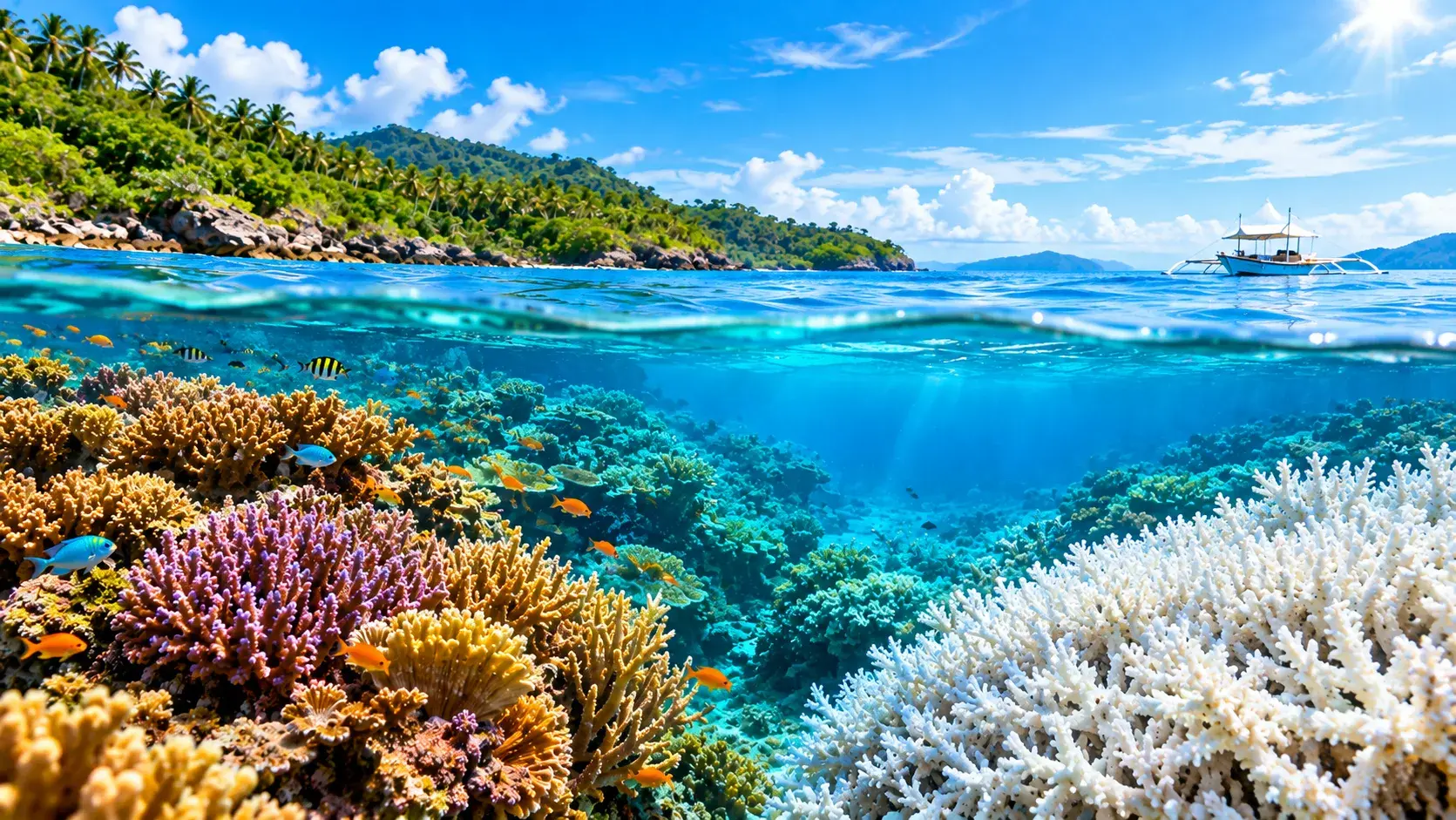
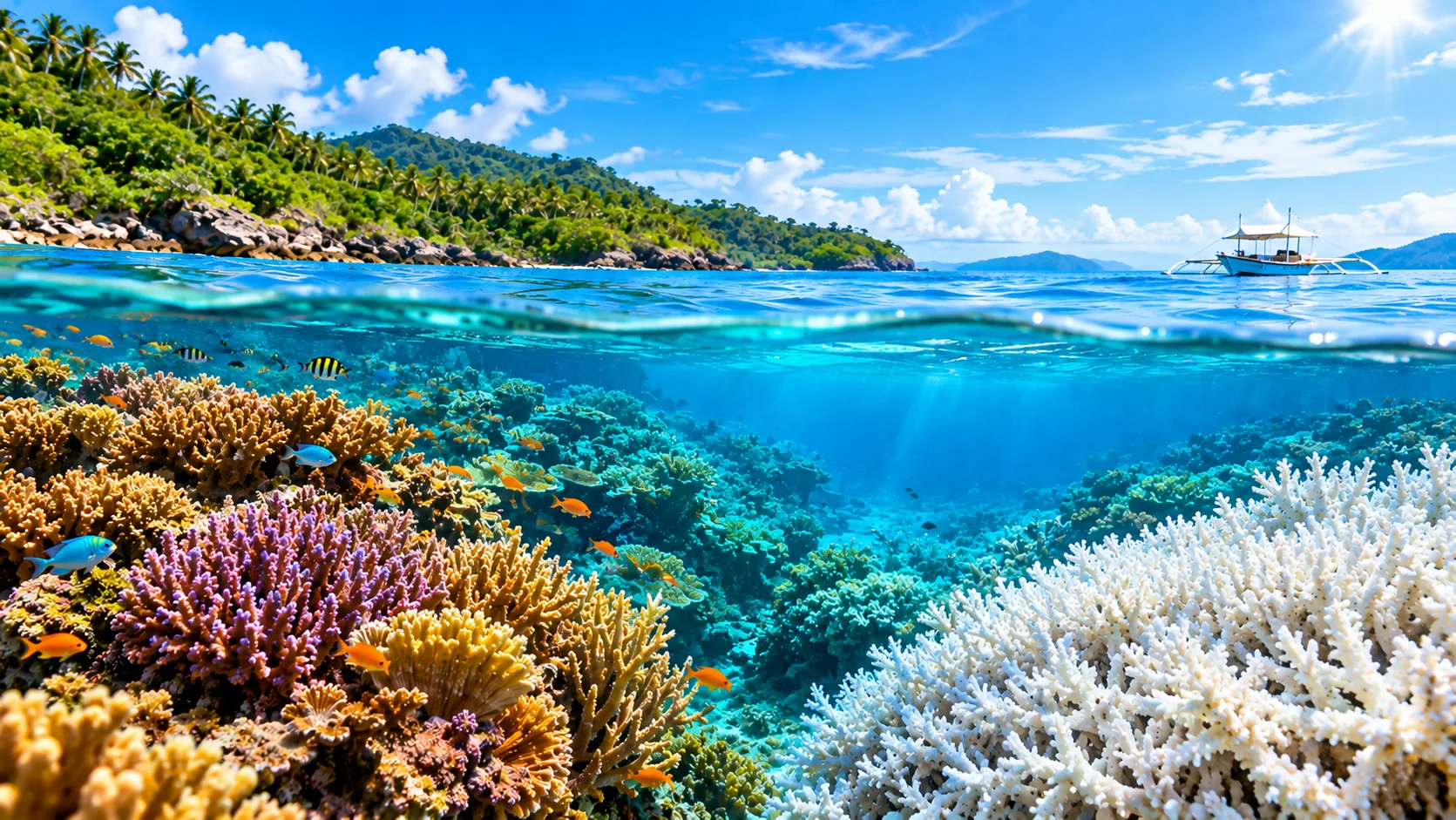
TACLOBAN CITY — Marine conservation advocates and coastal local government units across Eastern Visayas joined global environmental institutions in celebrating September as Coral Bleaching Awareness Month, highlighting local marine protection initiatives under the theme "Thriving Reef, Sustainable Livelihoods."
Thermal Peak Monitoring and Ecological Impact
Environmental agencies designated September for global awareness campaigns because ocean waters reach peak thermal stress during this period:
Monitoring Window: The timing allows marine researchers, coastal monitoring teams, and local fisherfolk to observe active reef stress, track temperature spikes, and implement immediate localized protection measures.
Ecological Scope: Although coral reefs cover less than 1% of the ocean floor, they support roughly 25% of all marine species, functioning as natural sea surge barriers for coastal towns in Leyte and Samar.
Causes of Bleaching: Prolonged marine heatwaves cause corals to expel their symbiotic algae, turning them white. Secondary factors like water pollution, sedimentation, destructive fishing, and physical damage further accelerate reef mortality.
Sustaining Livelihoods and Marine Biodiversity
The campaign underscores the direct connection between healthy coral ecosystems and economic security for Visayan coastal communities:
Livelihood Protection: Healthy reefs support local fisheries, secure regional food supplies, and drive eco-tourism across marine protected areas (MPAs) in the Leyte Gulf and Camotes Sea.
Community Action: Environmental networks urge coastal barangays to enforce sustainable fishing practices, reduce land-based runoff, and maintain regular reef monitoring to build ecosystem resilience.