
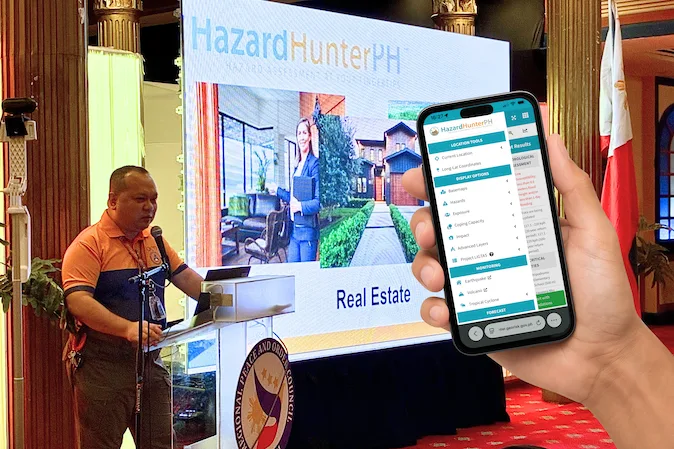
CEBU CITY — The Office of Civil Defense in Central Visayas (OCD-7) has a straightforward message for anyone hunting for a home or investment lot: before you sign, check the hazards. A cheap price tag might hide a fault line or a flood zone that could turn a dream property into a financial nightmare.
An Overlooked Piece of the Buyer’s Checklist
Most property seekers focus on proximity to schools, hospitals, and commercial centers, but hazard exposure rarely enters the conversation. Rhafael Luche, chief of the OCD-7 operations section, said that omission can be costly. He pointed to online tools that make the check as simple as typing in an address.
Licensed realty broker Jemarie Gambe of Tagbilaran City agreed that buyers need a clear direction and a trustworthy agent. Yet even the best broker may not know what lies beneath the soil. The government’s GeoRiskPH platform fills that gap, offering a free first look at a site’s geological and hydrological risks.
A Digital First Step with HazardHunterPH
HazardHunterPH is the public‑facing tool that OCD-7 recommends. It assesses a location’s exposure to earthquakes, volcanic hazards, and floods, then generates a downloadable report. Luche said buyers can see the nearest fault lines, the direction and distance of known hazards, and the closest critical facilities.
The assessment takes minutes and requires no special training. A buyer sitting in a coffee shop can pull up the report on a smartphone and decide whether a site is worth a physical visit. For real estate professionals, sharing that report builds trust and demonstrates a commitment to client safety.
Why a Bargain Might Not Be a Bargain
Luche warned that an unusually low price often signals hidden risk. A lot that seems too good to be true may sit directly on a fault or in a flood‑prone area. Sellers counting on buyer ignorance may quietly offload dangerous land.
By running a HazardHunterPH check, buyers arm themselves with data that can be used to renegotiate or walk away. The tool also identifies landslide susceptibility, which is crucial in Cebu’s hilly terrain. A few minutes of research can prevent years of regret and thousands of pesos in damage.
Tools That Shape Safer Communities
Beyond individual buyers, local government units use advanced GeoRiskPH tools for zoning and evacuation planning. GeoMapperPH allows officials to map post‑disaster changes like sinkholes, while PlanSmartPH supports risk‑informed land use plans. These instruments help shape entire neighborhoods that are safer by design.
The HANDA Integrated Platform adds real‑time monitoring, alerting authorities before hazards strike. When a city’s land use plan is built on this data, buyers inherit a more resilient community. The work done at the LGU level protects property values over the long term.
A Smarter Way to Invest
Buyers who combine a professional real estate checklist with a free hazard assessment protect both their families and their finances. OCD-7’s advice is not meant to scare people away from property ownership but to ensure that every purchase is an informed one. Technology has made hazard checking as routine as checking a credit score.