When you finally land your first job or start earning consistently from your business, it’s exciting. You begin thinking about independence, comfort, and stability. And for many Filipinos, one major milestone comes to mind: owning a house.
But here’s a truth that many don’t talk about enough:
Buying a home right away is not always the smartest first move.
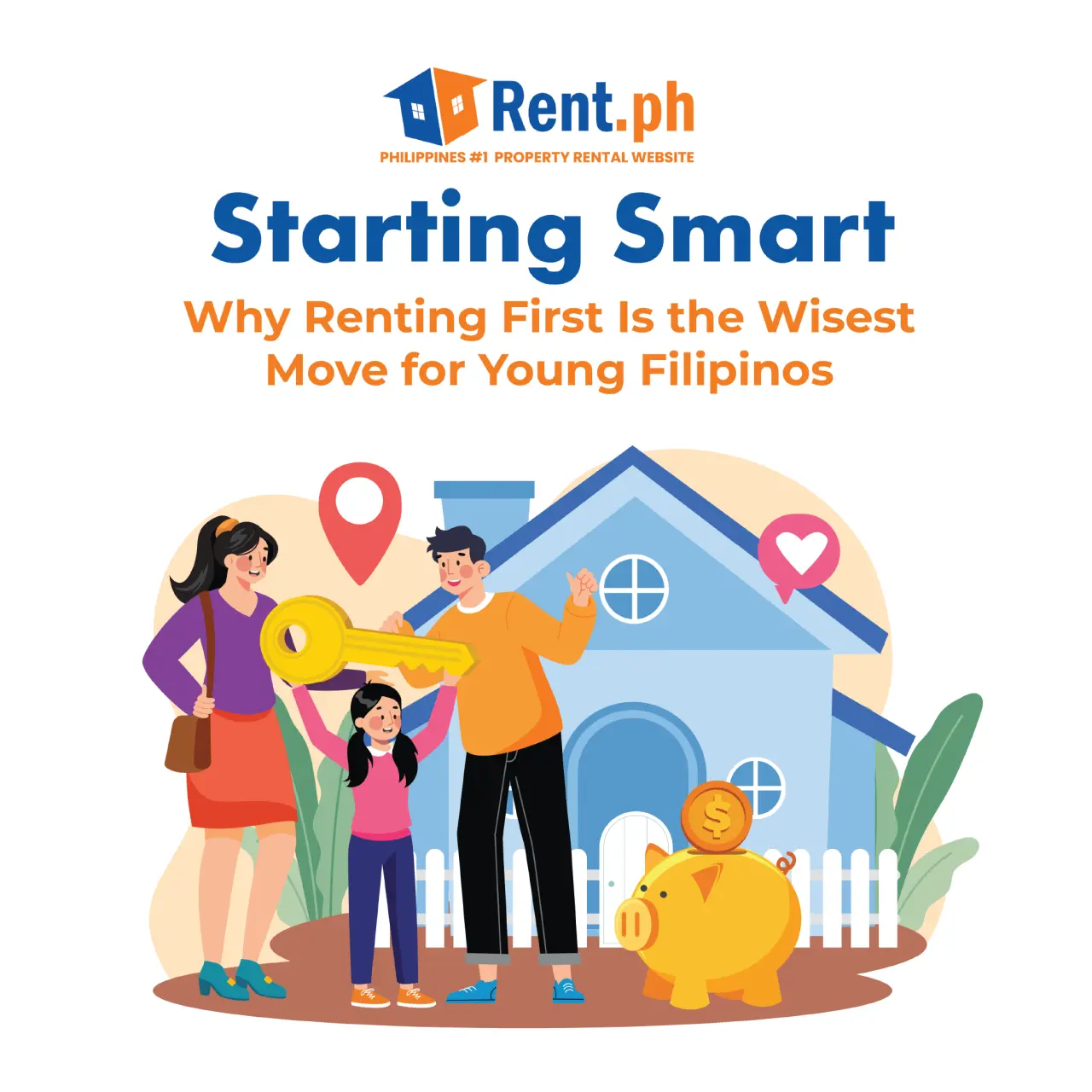
In fact, for young professionals, newlyweds, freelancers, and first-time earners, renting can be the wiser, safer, and more strategic decision.
Before you rush into a 20–30 year home loan commitment, let’s talk about why renting first might be the best financial decision you can make.
1. Renting Gives You Financial Breathing Room
When you’re just starting out, your income may still be adjusting. You’re building savings, paying off small debts, helping family, or figuring out your lifestyle expenses.
Buying a property in the Philippines often requires:
-
Down payment (10–20% of property price)
-
Bank loan approval
-
Closing fees
-
Transfer taxes
-
Monthly amortization
-
Insurance
-
Maintenance costs
-
Association dues
That’s a heavy commitment for someone just beginning their career.
Renting, on the other hand, typically requires:
-
1 month advance
-
1–2 months security deposit
-
Monthly rent
That’s significantly lighter financially.
Instead of tying up hundreds of thousands (or millions) in a property, you can:
-
Build your emergency fund
-
Invest in skills or business
-
Save for future down payment
-
Travel or explore opportunities
Renting protects your cash flow — and cash flow is everything when you’re starting out.
2. Flexibility Is Power
When you're young, your life can change quickly.
-
You might get promoted in another city.
-
You might change careers.
-
You might decide to work abroad.
-
You might want to move closer to family.
-
You might start a business somewhere else.
Owning a property limits mobility. Selling property in the Philippines takes time. Leasing it out requires management. Handling monthly amortization while living elsewhere can be stressful.
Renting gives you flexibility.
If your job transfers you from Makati to Cebu? You can move.
If you decide to live closer to work to save on commute? You can adjust.
If you realize the area doesn’t fit your lifestyle? You can relocate after the contract.
Freedom is valuable — especially in your 20s and early 30s.
3. Lower Risk While You Build Stability
Let’s be honest: starting out financially can feel uncertain.
You’re still figuring out:
-
Your long-term career
-
Your income stability
-
Your spending habits
-
Your savings discipline
Buying a home too early adds financial pressure.
If unexpected events happen — job loss, medical emergency, family obligation — you still need to pay your amortization monthly.
Renting reduces long-term financial risk. If something changes, you’re not locked into decades of payments.
Instead of stressing about foreclosure risks or loan restructuring, you can focus on:
-
Building your career
-
Strengthening your financial habits
-
Growing your income
Rent first. Stabilize. Then buy from a position of strength.
4. You Learn What You Really Want in a Home
Many first-time buyers later realize:
-
The location isn’t ideal.
-
The commute is too heavy.
-
The neighborhood doesn’t suit their lifestyle.
-
The house layout isn’t practical.
-
The maintenance cost is higher than expected.
Renting helps you discover your preferences.
You’ll learn:
-
Do you prefer condo living or a house?
-
Do you need parking?
-
Do you value proximity to malls, schools, or offices?
-
How much space do you really need?
This experience is valuable.
When you eventually buy, you’ll choose smarter.
At RentPH, we’ve seen many young professionals who rented for a few years before purchasing — and they made far better decisions because they understood their needs clearly.
5. Maintenance Costs? Not Your Problem (Mostly)
Homeownership comes with ongoing costs:
-
Roof repairs
-
Plumbing issues
-
Electrical repairs
-
Termite control
-
Renovations
-
Structural wear and tear
When renting, many of these concerns are handled by the property owner or management (depending on contract terms).
As someone just starting out, reducing unexpected expenses helps you stay financially stable.
Instead of worrying about repair costs, you can:
-
Save consistently
-
Build investments
-
Strengthen your emergency fund
Owning will come — but there’s no rush.
6. Renting Supports Smart Wealth Building
Here’s something powerful:
Renting doesn’t mean you’re “throwing money away.”
That’s a common myth.
If you rent strategically while:
-
Investing monthly
-
Growing your income
-
Saving aggressively
-
Building assets
You may actually be in a stronger financial position later compared to someone who rushed into buying without preparation.
The key is intentional planning.
Renting becomes powerful when paired with:
-
Budget discipline
-
Emergency funds
-
Clear savings goals
-
Long-term financial strategy
At RentPH, we always encourage clients to align their housing decisions with their financial readiness — not just emotional readiness.
7. Buying Should Be a Strategic Move, Not an Emotional One
In Filipino culture, owning a home is seen as ultimate success. And yes — it is a beautiful milestone.
But buying should happen when:
-
You have stable income (at least 2–3 years consistent)
-
You have 6–12 months emergency fund
-
You can comfortably afford amortization (30% or less of income)
-
You’re sure about location long-term
-
You’re financially prepared for additional costs