
Latest Articles
Stay informed with tips, market trends, and real estate guides in the Philippines.

Featured Article
September House Hunt: Is the Ber Month Season a Smart Time to Move?
Read More about September House Hunt: Is the Ber Month Season a Smart Time to Move?
Sep 14, 2026
72 views
September House Hunt: Is the Ber Month Season a Smart Time to Move?
September officially marks the beginning of the “Ber months” in the Philippines. For many people, it is the season of Christmas preparations, reunions, school activities, year-end work deadlines, and—perhaps unexpectedly—moving to a new home.If you are currently renting and considering a move, you m...
#RentPH #PhilippineRealEstate
All Blogs
Viewing page 1 of 33Sep 14, 2026
|
72 views
September House Hunt: Is the Ber Month Season a Smart Time to Move?
September officially marks the beginning of the “Ber months” in the Philippines. For many people, it is the season of Christmas preparations, reunions, school activities, year-end work deadlines, and—perhaps unexpectedly—moving to a new home.If you are currently renting and considering a move, you might be wondering: Is September actually a good time to find a new apartment or rental home?The answer is: it can be.September may not be the first month that comes to mind when planning a move, but it offers several advantages for renters who are prepared to search carefully. At the same time, the season comes with its own challenges, including rainy weather, changing household expenses, and the possibility of increased competition for desirable properties.Whether you are a student, young professional, growing family, or someone simply ready for a fresh start, September can be a strategic month to reassess your living situation.Here are the things you should consider before making your move.1. September Gives You a Chance to Reassess Your RentalThe Ber months naturally encourage people to look ahead.Before searching for a new place, take a moment to evaluate your current rental. Ask yourself:Is the rent still affordable?Has your income or household situation changed?Is the location still convenient?Are you spending too much on transportation?Is the space still large enough?Are maintenance problems becoming frequent?Do you feel comfortable and safe in the neighborhood?Sometimes, the decision to move is not really about finding a “better” apartment. It is about finding a home that better matches your current lifestyle.A rental that worked perfectly two years ago may no longer make sense today.September is a good time to make that assessment before the year ends.2. You May Find Opportunities by Searching EarlyRental availability can vary significantly depending on the location, property type, and demand.Instead of waiting until the last few months of the year, starting your search in September gives you time to compare properties without feeling rushed.You can look at different neighborhoods, compare rental prices, evaluate amenities, and determine which locations fit your daily routine.This is particularly important if you are planning to move before the holidays.The earlier you start, the more time you have to make a decision based on your actual needs rather than simply choosing whatever is available.Platforms such as RentPH can make the search process easier by helping renters explore available properties and compare their options in one place.3. Rainy Season Can Reveal Problems Photos Don't ShowOne of the biggest advantages of apartment hunting in September is something many renters overlook: the weather can help you inspect a property more realistically.The Philippines is still experiencing rainy-season conditions around September, making it an excellent opportunity to look for problems that may not be obvious during sunny weather.During a viewing, pay attention to:Water stains on ceilings and wallsDamp or musty smellsSigns of moldLeaks around windowsPoor drainageFlood-prone streetsWater pooling around entrancesSlippery walkwaysRoof or gutter problemsPoor ventilationA beautiful apartment can look completely different after heavy rain.If possible, ask the landlord or property manager whether the area has experienced flooding in previous years. You can also check the surrounding roads and drainage systems.Remember: You are not only renting the unit. You are also renting the location and everything that comes with living there.4. Transportation Should Be Part of Your Rental BudgetA cheap apartment is not necessarily an affordable apartment.For example, you may find a unit that costs ₱2,000 less per month than another property. But if the cheaper apartment requires multiple rides every day, the difference could quickly disappear.When comparing rentals, calculate the full cost of living there.Consider:Monthly rent + utilities + transportation + parking + internet + association or building fees + other recurring costsAlso consider the value of your time.An apartment that is slightly more expensive but located close to work, school, groceries, public transportation, or essential services may ultimately provide better value.September is a useful time to review these expenses because the final months of the year can bring additional spending for gifts, travel, celebrations, school requirements, and family gatherings.5. Your Holiday Budget MattersMoving requires more than the monthly rent.You may need money for:Security depositAdvance rentMoving servicesTransportationUtility depositsInternet installationBasic furnitureCleaning suppliesHousehold essentialsMinor repairs or replacementsThen there are the usual Ber-month expenses.Christmas parties, gifts, reunions, travel, and other celebrations can put additional pressure on your budget.Before signing a lease in September, make sure moving will not leave you financially stretched during the final months of the year.A good rule is to calculate your total move-in cost, not just the monthly rent.If the initial payment is too high, you may need to adjust your timeline or look for a property with a more manageable upfront cost.6. September Is a Good Time to Review Your LeaseIf you are currently renting, check your existing lease before moving.Look for provisions regarding:Notice periodsEarly terminationSecurity deposit refundsUtility paymentsRepairsSubleasingMove-out inspectionsCleaning requirementsProperty damageFinal billingDo not assume that you can simply leave when you find a better apartment.Your lease is a contract, and the terms can affect your moving expenses.If you are still several months away from the end of your lease, you may have enough time to coordinate with your landlord properly.This can also help you avoid unnecessary disputes over your security deposit.7. Don't Choose a Home Just Because It Looks FestiveBer-month marketing can make almost anything feel exciting.Rental listings may highlight beautiful interiors, cozy bedrooms, modern kitchens, and convenient amenities. But renters should avoid making decisions based purely on appearance.During a viewing, look beyond the decorations and staged furniture.Open cabinets.Check water pressure.Test lights and outlets.Inspect windows and doors.Look at the bathroom ventilation.Check mobile signal.Ask about internet providers.Listen for noise from neighboring units.Walk around the building.And if possible, visit the area at different times of the day.A rental should work for your everyday life—not just look good in listing photos.8. Consider Your Plans for the Next 6 to 12 MonthsBefore moving, think beyond September.Where do you expect to be next year?Are you changing jobs?Graduating?Starting school?Moving in with a partner?Growing your family?Working remotely?Planning to save for a future home?Your rental should support your upcoming plans rather than create another problem six months from now.For example, signing a long lease on a large apartment may not be practical if you expect to relocate for work soon.On the other hand, moving into a slightly larger space may make sense if you know your household will grow.The best rental decision is not always the cheapest one. It is the one that fits your financial situation, lifestyle, and future plans.9. Compare More Than Just Monthly RentWhen apartment hunting, it is easy to sort properties by price and immediately focus on the cheapest options.But rental value involves much more than the monthly amount.Compare properties based on:Location:How close is it to work, school, public transportation, markets, hospitals, and other necessities?Space:Does the floor area match your household's needs?Utilities:Are electricity and water costs likely to be manageable?Amenities:Are parking, security, elevators, laundry areas, or other facilities included?Rules:Are pets allowed? Can you have visitors? Are there restrictions on renovations or appliances?Maintenance:Who handles repairs, and how quickly are issues addressed?Safety:Does the building and surrounding neighborhood feel secure?Weather resilience:How does the property perform during heavy rain?The goal is to determine the property's overall value, not simply its advertised price.10. Use September as a Reset—Not a DeadlinePerhaps the biggest advantage of apartment hunting in September is that you don't have to rush.You can treat the month as a rental reset.Create a list of what you need.Set a realistic budget.Identify your preferred locations.Research available properties.Schedule viewings.Compare your options.Read lease agreements carefully.Then make a decision.If you don't find the right place immediately, that's okay.Moving should not be treated like a race.Finding a home that fits your needs can take time, and walking away from a rental that doesn't meet your requirements is sometimes the smartest decision you can make.So, Is September a Good Time to Move?Yes—if you are prepared.September can be a particularly useful month for renters because it combines the opportunity to reassess your housing situation with the practical advantage of viewing properties during the rainy season.It gives you time to identify potential problems, compare locations, review your finances, and plan ahead before the year gets even busier.However, the right time to move ultimately depends on your personal circumstances.If your current rental is still affordable, safe, convenient, and comfortable, there may be no reason to move simply because it is September.But if your current home no longer fits your budget or lifestyle, the Ber months could be the perfect opportunity to start looking.And remember: finding a home isn't only about finding four walls and a roof. It's about finding a place that works for your everyday life.Whether you're searching for a room near school, a condo closer to work, an apartment for your family, or a place that better fits your budget, take the time to compare your options.RentPH can be part of that process, helping renters explore property listings and make more informed rental decisions. And if you're thinking beyond renting and eventually want to own a home, RentPH's home loan guides and other property resources can also help you understand the next steps.This September, don't just ask, “Can I afford this apartment?”Ask the bigger questions:Can I afford to live here comfortably? Does this location work for my lifestyle? Will this home still make sense six months from now?Because the best time to move isn't necessarily when a property becomes available.It's when you find a home that makes sense for your budget, your lifestyle, and your future.
Sep 14, 2026
|
54 views
The September Rental Reset: 8 Things Every Renter Should Review Before the Ber Months Begin
September has arrived, and for many Filipinos, that means one thing: the Ber months are officially here.The last quarter of the year tends to move quickly. Before you know it, calendars are filled with family gatherings, Christmas parties, shopping trips, reunions, travel plans, and holiday expenses. For renters, the busy season can also bring additional challenges—from higher electricity bills and rainy weather concerns to unexpected visitors and tighter budgets.That is why September is the perfect time for a rental reset.Think of it as a quick check-in with your home, your finances, and your rental responsibilities before the year becomes even more hectic. You do not necessarily need to move, renovate, or spend a lot of money. Sometimes, reviewing a few important things can help you avoid bigger problems later.Here are eight things every renter should review before the Ber months get busy.1. Review Your Rental Budget Before Holiday Expenses BeginThe holidays can be expensive.Starting as early as September, many households begin preparing for gift-giving, reunions, parties, vacations, school expenses, and other year-end activities. Without proper planning, rent and utility payments can easily compete with holiday spending.Before your schedule and budget become crowded, take a look at your monthly expenses.Review:Monthly rentElectricity and water billsInternet expensesTransportationGroceriesDebt paymentsSavingsUpcoming holiday expensesAsk yourself an important question: Can I comfortably pay for my rental expenses while still preparing for the holidays?If your budget feels tight, September gives you time to make adjustments. You may decide to reduce unnecessary spending, create a holiday savings plan, or set aside money specifically for rent and bills.A simple strategy is to treat rent as a non-negotiable expense. Set it aside as soon as you receive your income instead of waiting until the due date.The Ber months should be enjoyable—not stressful because your rental payment was accidentally spent on early Christmas shopping.2. Check Your Lease and Important Rental DatesWhen was the last time you actually read your lease agreement?Many renters only look at their contract when they first move in. Months later, they may forget important details such as the lease expiration date, rent increase provisions, renewal terms, or notice requirements.September is a good time to revisit your agreement.Check for:Lease expiration dateMonthly rent amountPayment due dateSecurity deposit termsRules on rent increasesRenewal conditionsRequired notice before moving outGuest policiesPet restrictionsMaintenance responsibilitiesIf your lease is ending within the next few months, now is the time to start thinking about your next step.Will you renew?Will you negotiate new terms?Will you move to another property?Waiting until December or January to figure everything out can make the process more stressful. You may be busy with the holidays, traveling, or dealing with limited schedules.Planning early gives you more choices—and less pressure.If you are considering moving, browsing rental listings early through RentPH can help you understand what properties and price ranges are currently available. Even if you are not ready to move yet, knowing your options can help you make a more confident decision.3. Inspect Your Rental Home for Rainy-Season ProblemsSeptember often falls within the Philippines' wet season, making this a practical time to inspect your rental home for issues that may not be obvious during dry weather.Take a walk around your apartment, condo, house, or rental unit and check for:Roof leaksWater stains on ceilingsCracks near windowsDamp wallsMold or mildewClogged drainsFlooding around entrancesWater entering through doors or windowsSlippery pathwaysPoor outdoor drainageDo not ignore small problems.A tiny ceiling stain could eventually become a major leak. A slow drain could become a flooded bathroom. A damp wall could lead to mold and unpleasant odors.Document issues as soon as you notice them. Take clear photos or videos and inform your landlord or property manager promptly.Keeping records is important because it creates a clear timeline of when the issue was discovered and reported.A comfortable rental home is not just about beautiful interiors. It should also remain safe and functional during difficult weather.4. Review Your Utility UsageElectricity consumption can change throughout the year.Some households use appliances differently during rainy months. Humidity may affect comfort indoors, laundry may take longer to dry, and families may spend more time inside the house.Before your utility bills become unpredictable, review your recent consumption.Look at your electricity bills from the previous few months and ask:Has my consumption increased?Which appliances use the most electricity?Are there devices left plugged in unnecessarily?Is my refrigerator working efficiently?Are air-conditioning units or electric fans being used wisely?You do not need to sacrifice comfort to save money.Small adjustments can make a difference, such as turning off unused lights, unplugging idle appliances, using natural light during the day, and making sure appliances are functioning properly.It is also a good time to discuss utility sharing if you live with roommates.Do not wait until the bill arrives to discover that everyone has different expectations about who should pay for what.5. Declutter Before the Holiday Season StartsThe Ber months can bring more things into your home.Packages. Gifts. Decorations. Food. Visitors. Holiday outfits.If your rental already feels crowded in September, it may feel even more overwhelming by December.That is why now is a great time to declutter.Start small.Choose one area at a time:ClosetKitchen cabinetsBathroom shelvesStorage boxesRefrigeratorWork deskLiving roomAsk yourself whether each item is useful, regularly used, or worth keeping.Consider donating usable items, selling things you no longer need, or properly disposing of damaged belongings.Decluttering is especially important for renters living in smaller apartments and condos. Limited space can quickly become stressful when too many items accumulate.A clean and organized rental can also make decorating easier when the holidays arrive.You do not need a large home to make your space feel festive. Sometimes, simply creating more breathing room can make your home feel more comfortable.6. Prepare Your Home for Guests and GatheringsThe holiday season often means visitors.Friends may come over for dinner. Relatives may visit. Former classmates may suddenly plan a reunion. Your apartment may become the chosen location for a small gathering.Before that happens, review your rental property's rules.Some buildings or communities may have regulations regarding:Visitor registrationParkingOvernight guestsNoise levelsUse of common areasParties and gatheringsBuilding accessKnowing these rules beforehand can save you from awkward situations.You should also inspect your home from a guest's perspective.Are there enough chairs?Is the bathroom functional?Are pathways clear?Do you have enough lighting?Is there anything that needs repair?You do not need to transform your rental into an event venue. A simple, clean, comfortable, and functional space is enough.The goal is to make sure your home is ready without violating your lease or disturbing your neighbors.7. Revisit Your Emergency Preparedness PlanThe rainy season is an important reminder that emergencies can happen unexpectedly.Every renter should know what to do during situations such as:FloodingTyphoonsPower interruptionsWater interruptionsFiresEarthquakesReview where important items are located and make sure they are easy to access.Consider preparing or updating an emergency kit with essentials such as drinking water, flashlights, batteries, basic first-aid supplies, power banks, and important contact information.Renters should also know:The building's emergency exitsEvacuation proceduresThe location of fire extinguishers, when applicableThe landlord or property manager's contact informationLocal emergency hotlinesIf you live in a flood-prone area, think about how you would protect important belongings and documents.A little preparation can make a stressful situation easier to manage.September is a good time to ask yourself: If an emergency happened tonight, would I know what to do?8. Start Thinking About Your Rental Goals for Next YearThe final months of the year often become a time for reflection.Instead of waiting until January to think about your plans, start now.Ask yourself:Am I happy with my current rental?Is the location still convenient?Can I still afford the rent?Do I need more space?Would a smaller home make more financial sense?Do I want to live closer to work or school?What features do I want in my next rental?You may realize that your current home is still the right place for you.Or you may discover that it is time to start looking for something different.The advantage of planning early is that you can search without panic. Instead of choosing the first available unit because your lease is ending next week, you can compare properties, locations, prices, and features carefully.Platforms like RentPH can make the search process easier by helping renters explore available properties and consider different options before making a major move.Your next rental decision should not be rushed. The more prepared you are, the better chance you have of finding a home that fits both your lifestyle and your budget.Make September Your Fresh StartThe start of the Ber months does not have to mean rushing immediately into holiday preparations.September can be your opportunity to pause.Review your budget. Check your lease. Inspect your home. Prepare for emergencies. Declutter your space. Think about your future.These simple steps can help you enter the final months of the year feeling more organized and prepared.Renting is not just about paying for a place to stay. It is about managing a home, protecting your finances, understanding your responsibilities, and making sure your living space continues to support your lifestyle.Whether you plan to stay in your current rental or start looking for a new one in the coming months, preparation can make the process much easier.So before the Christmas songs become louder, the calendars become fuller, and the holiday rush officially begins, give yourself a September rental reset.

Aug 27, 2026
|
124 views
Security Deposits in the Philippines: What Renters Should Know Before Paying
Moving into a new rental home often comes with a long list of expenses: advance rent, moving costs, utilities, furniture, transportation, and sometimes association or administrative fees. Among these costs, one of the most commonly misunderstood is the security deposit.For many renters, paying a security deposit is simply part of moving in. But questions often come up later: How much should I pay? When should I get it back? Can my landlord keep the entire amount? Can it be used as my last month's rent? What happens if there is damage to the property?Understanding how security deposits work can help renters avoid misunderstandings and protect both their money and their relationship with their landlord.Here are some of the most common myths and facts every Filipino renter should know before signing a lease.What Is a Security Deposit?A security deposit is money paid by a tenant to a landlord at the beginning of a rental agreement as financial protection against certain obligations under the lease.It may help cover legitimate expenses such as unpaid rent, unpaid utility obligations that the tenant is responsible for, or damage beyond ordinary wear and tear—depending on the terms of the rental agreement.The important point is that a security deposit is not simply an extra rental payment.It is generally intended to serve as protection for the property owner while the tenant is expected to receive the remaining amount back when the tenancy ends, subject to the conditions of the lease and any legitimate deductions.Because rental practices and legal requirements can vary, tenants should always read the actual lease agreement carefully rather than relying on assumptions about what a landlord "usually" does.Myth #1: A Security Deposit Is the Same as Advance RentFact: They are different.This is one of the most common sources of confusion among renters.Advance rent is payment made ahead of the period when the rent is actually due. A security deposit, on the other hand, is intended to provide security for obligations under the rental agreement.For example, a lease might require one month's advance rent and two months' security deposit. These amounts have different purposes even though they may be collected at the same time.Before paying, ask the landlord or property manager to clearly identify each amount on the lease and receipt.Don't assume that because you paid a large amount at move-in, all of it is rent.Myth #2: The Landlord Can Keep the Entire Deposit for Any ReasonFact: Deductions should have a legitimate basis.A security deposit is not automatically forfeited simply because a tenant moves out.If there are deductions, renters should look at the lease agreement to determine what circumstances allow the landlord to deduct money.Possible examples may include unpaid rent or certain repair costs caused by the tenant, depending on the agreement and applicable rules.This is why documentation is so important.If you believe a deduction is unfair, ask for an explanation and supporting details. A landlord should be able to explain what the deduction is for rather than simply saying, "That's the policy."Myth #3: Every Scratch or Mark Can Be Charged to the TenantFact: Ordinary wear and tear is different from damage.A rental property naturally shows signs of use over time.Paint may become slightly faded. Floors may develop minor signs of normal use. Fixtures may age. These are generally different from damage caused by negligence, misuse, or accidents that go beyond normal use.For example, a small amount of normal deterioration after years of living in a property is not necessarily comparable to a broken door, severely damaged flooring, or a fixture that was improperly used.The exact treatment can depend on the lease and the circumstances, so tenants should document the property's condition from the beginning.Myth #4: You Don't Need to Document the Unit When You Move InFact: Photos and videos can protect you later.One of the easiest ways to protect your security deposit is to document the rental property before or immediately after moving in.Take clear photos and videos of:Walls and ceilingsFloorsDoors and windowsBathroom fixturesKitchen counters and cabinetsAppliancesLight fixturesFaucets and plumbing areasExisting scratches, stains, cracks, or dentsFurniture included with the rentalDon't just take wide-angle photos of the entire room. Take close-up images of existing damage as well.If possible, keep the files organized by room and date.This creates a record of the property's condition when you received it. If a dispute arises later about whether damage existed before your tenancy, your documentation may help establish what the unit looked like at move-in.Myth #5: You Can Always Use Your Security Deposit as Your Last Month's RentFact: Don't assume this unless the agreement allows it.Some renters think, "The landlord already has my deposit, so I'll just skip my final rent payment."This can create a serious problem.Unless the lease or landlord specifically allows the security deposit to be applied toward the final rent, tenants should not assume they can do so.A security deposit and rent serve different purposes.If you want to use your deposit toward your final payment, discuss it with the landlord before the rent becomes due and get the arrangement in writing.A verbal agreement can easily lead to misunderstandings.Myth #6: The Deposit Should Always Be Returned Immediately on Move-Out DayFact: The timing of the refund may depend on the lease and the property owner's inspection process.A landlord may need to inspect the property, check for outstanding obligations, and determine whether legitimate deductions apply before returning the remaining deposit.The exact timeline can depend on the terms of the rental agreement and applicable Philippine rules.Before signing a lease, look for a section explaining:When will the deposit be returned?If the agreement does not clearly explain the process, ask the landlord or property manager before signing.Knowing the expected timeline can prevent unnecessary frustration after moving out.Myth #7: A Verbal Agreement Is EnoughFact: Written agreements are much safer.Imagine a landlord tells you, "Don't worry, you'll get your full deposit back."Months later, you move out and discover that certain deductions are being made.Without written terms, proving what was agreed upon can become difficult.Important rental arrangements should be documented whenever possible, including:Deposit amountAdvance rentRental ratePayment schedulePermitted deductionsRepair responsibilitiesMove-out requirementsDeposit return processNotice requirementsYour lease is not just paperwork to sign before getting the keys. It is the document that establishes the expectations of both parties.Read it carefully.Myth #8: You Don't Need a Receipt for Your DepositFact: Always keep proof of payment.When you pay your security deposit, make sure you have documentation showing:Amount paidDate of paymentPurpose of paymentProperty or rental unit involvedName of the person or entity receiving the paymentKeep digital copies of receipts, bank transfers, messages, and other relevant records.Don't delete conversations simply because the transaction is finished.Your future self may need them.What Should Renters Check Before Paying a Security Deposit?Before handing over your money, slow down and review the rental agreement.Ask these questions:1. How much is the deposit?Make sure the amount matches what was discussed.2. What exactly does the deposit cover?Look for the landlord's stated reasons for deductions.3. What counts as damage?Check whether the lease explains the tenant's responsibility for repairs.4. When will the deposit be returned?Look for a specific timeline or process.5. Can the deposit be used for the final rent?Never assume that it can.6. Who is responsible for repairs?Some repairs may be the landlord's responsibility, while others may fall to the tenant depending on the circumstances and agreement.7. Is there an inventory or move-in inspection report?If there is one, review it carefully before signing.How Renters Can Protect Their Security DepositProtecting your deposit doesn't begin on move-out day. It starts before you move in.Document everything.Take photos and videos of the property and save them securely.Report problems early.If you discover a leak, broken appliance, damaged fixture, or other issue, inform the landlord or property manager promptly.Don't wait until move-out day to mention something that has been broken for months.Follow the lease.Pay rent on time, follow property rules, and comply with reasonable move-out requirements stated in the agreement.Keep communication in writing.Messages and emails can help establish what was reported, requested, approved, or agreed upon.Don't make unauthorized changes.Painting walls, installing fixtures, drilling into surfaces, or making other alterations without permission can potentially create additional issues when you move out.Clean before leaving.A thorough cleaning can help you return the property in good condition and avoid preventable disputes over cleanliness.What If You Disagree With a Deduction?If your landlord says part of your deposit will be deducted and you believe the charge is incorrect, don't immediately assume that your money is gone.Start by reviewing the lease.Then ask for an itemized explanation of the deductions and any supporting documentation available.Compare the claimed damage with your move-in photos and videos.Keep the conversation professional and written whenever possible.If the issue cannot be resolved directly, tenants may consider seeking guidance from the appropriate local authorities or legal professionals, depending on the nature and amount of the dispute.The goal should be to resolve the issue based on the rental agreement, available evidence, and applicable Philippine law—not simply on who argues louder.The Best Security Deposit Strategy? Treat It Like Money You'll Want BackA security deposit can feel like just another expense when you're moving into a new home.But it is money worth protecting.The best way to avoid problems is to think about your deposit from the very beginning of the rental process.Before signing, understand the terms.Before moving in, document the property's condition.During your tenancy, report problems and keep records.Before moving out, review your responsibilities and leave the property in accordance with the agreement.And throughout the process, keep your receipts and communication.For renters searching for their next home, resources such as RentPH's rental listings and home-related guides can also help make the process more organized—from understanding rental considerations to finding a property that fits your needs and budget.A good rental experience isn't just about finding a beautiful place at the right price. It's also about knowing your responsibilities, understanding the agreement, and protecting your rights as a renter.When it comes to security deposits, don't just ask, "How much do I need to pay?" Ask, "What are the rules for getting it back?"That small question can save you a lot of stress later.
Aug 27, 2026
|
115 views
The First 48 Hours in Your New Rental: What to Check Before You Settle In
Moving into a new rental home is exciting. You finally have the keys, the boxes are inside, and you can start imagining where everything will go.But before you completely unpack, decorate, or settle into your new routine, there is one important thing you should do: inspect your rental while everything is still fresh.The first 48 hours after moving in are one of the best opportunities to identify problems, document the property's condition, and clarify concerns with your landlord or property manager.A small leak that looks harmless today could become a major problem weeks later. A damaged appliance, faulty outlet, missing fixture, or existing wall stain could also become a source of confusion if it wasn't documented when you moved in.Think of your first two days not just as a time for unpacking, but as your new-home inspection period.Here is everything you should check during your first 48 hours.Why the First 48 Hours MatterOnce you've moved your belongings into a rental, it can become difficult to distinguish between damage that existed before you moved in and something that happened afterward.For example, imagine discovering a small crack in the bathroom tile after you've already been living there for a month. Was it already there? Did it happen while moving furniture? Did the previous tenant cause it?Without documentation, these situations can become difficult to establish.That's why renters should inspect the property as soon as possible.The goal isn't to assume that something will go wrong. It's simply to make sure that you know exactly what condition the property was in when you took possession.1. Take Photos and Videos of EverythingBefore arranging your furniture, take photos.And don't limit yourself to the rooms that look impressive.Photograph the walls, ceilings, floors, windows, doors, cabinets, bathroom fixtures, kitchen counters, appliances, electrical outlets, and other important areas.Pay particular attention to:Existing scratches or dents Wall cracks Stains or discoloration Watermarks Damaged tiles Peeling paint Broken cabinet doors Scratched flooring Damaged windows Loose fixtures Existing appliance damage Take wide photos to show the overall condition and close-up photos for specific problems.Videos can also be useful because they allow you to walk through the property and record several areas continuously.If possible, keep the original files and avoid deleting them after uploading them to social media or messaging apps.2. Check for Water LeaksWater problems aren't always obvious during a quick viewing.During your first 48 hours, inspect areas where water is commonly used.Check underneath:Kitchen sinks Bathroom sinks Toilets Shower areas Washing machine connections Water heaters Run the faucets and showers for several minutes.Look underneath cabinets and around pipes for moisture.Also check ceilings and walls for water stains, bubbling paint, or unusual discoloration.If the property has recently experienced heavy rain, inspect windows, ceilings, balconies, and other areas where rainwater might enter.A small leak may not seem urgent, but discovering it early gives you a much better chance of having it addressed before it causes additional damage.3. Test Every Electrical OutletYou don't have to become an electrician to perform a basic electrical check.Bring a small device or charger and test the accessible outlets throughout the home.Check whether:Outlets provide power Switches work Lights turn on Ceiling fans operate Exhaust fans work Fixtures respond properly If an outlet appears loose, damaged, burnt, or unusually warm, don't ignore it.Do not attempt electrical repairs yourself if you're not qualified. Instead, document the issue and inform your landlord or property manager.Electrical problems aren't something to postpone simply because everything else in the apartment looks fine.4. Test the PlumbingYour kitchen and bathroom deserve a more thorough inspection.Turn on each faucet and check the water pressure.Flush the toilet and observe whether it drains properly.Run the shower and check whether water drains quickly.Also look for:Slow drains Unusual odors Leaking faucets Weak water pressure Toilet flushing problems Standing water Water backing up into another drain Don't assume that a plumbing problem will disappear on its own.A slow drain can eventually become a completely blocked drain, while a small faucet leak can waste water and potentially damage cabinets or countertops.5. Inspect Doors and WindowsOpen and close every door and accessible window.Make sure they move properly and lock securely.Check for:Broken locks Loose handles Damaged hinges Gaps around windows Broken screens Difficulty opening or closing windows Signs of water intrusion Security should be one of your priorities when moving into a new home.If a bedroom window doesn't lock properly or the main door has a problem with its latch, report it immediately.A rental home isn't truly comfortable if you don't feel secure inside it.6. Check the Air-Conditioning and VentilationIf your rental includes an air-conditioning unit, test it during your first day.Don't simply turn it on for 30 seconds.Let it run for a while and check whether it actually cools the room.Listen for unusual noises and look for water dripping from the indoor unit.Also check ceiling fans, exhaust fans, and other ventilation systems.Good ventilation matters in Philippine homes, particularly during hot and humid months.Watch out for signs of poor ventilation such as:Persistent musty smells Condensation Damp walls Mold-like spots Rooms that remain unusually warm Bathroom moisture that doesn't clear quickly If something seems unusual, document it before assuming that it's simply part of the property's normal condition.7. Inspect Appliances Included With the RentalIf your rental comes furnished or partially furnished, test the appliances.Depending on the property, this could include:Refrigerator Microwave Washing machine Electric stove Range hood Television Air conditioner Water heater You don't necessarily need to perform an extensive technical inspection.Simply make sure the appliances turn on and appear to function normally.Check for visible damage as well.If the refrigerator has a large dent or the washing machine has a cracked panel, take a photo and report it.This is especially important if your lease includes an inventory of furniture and appliances.8. Check the Bathroom CarefullyThe bathroom can reveal problems that aren't immediately visible during a property viewing.Look at the grout, tiles, ceiling, walls, toilet base, sink, and shower area.Check for signs of:Mold Mildew Leaks Poor drainage Broken tiles Loose fixtures Damaged sealants Unusual smells Run water through the shower and observe where it goes.If water pools in one corner instead of flowing toward the drain, document it.Also check whether the bathroom door closes properly and whether ventilation works.These small details can have a significant effect on everyday comfort.9. Inspect the KitchenIf your rental has a kitchen, inspect the countertops, cabinets, sink, backsplash, and appliances.Open every cabinet and drawer.You might discover:Water damage Broken hinges Pest droppings Mold Unpleasant smells Loose shelves Damaged countertops Don't be embarrassed to look inside cabinets.You are going to use them every day, so you need to know what condition they're in before filling them with your belongings.10. Look for Signs of PestsYou don't need to wait until you see an actual cockroach to investigate.Check dark and hidden areas such as:Under the sink Behind appliances Inside cabinets Around drains Near windows Along baseboards Look for droppings, dead insects, unusual smells, damaged packaging, or gaps where pests could enter.If you find evidence of an infestation during your first few days, notify the landlord or property manager immediately.Don't automatically assume that every pest problem is caused by poor housekeeping. Pests can enter through drains, gaps, neighboring units, or building-wide issues.11. Check Your Mobile Signal and InternetThis is one of the things renters often forget.You may have toured the property for 20 minutes and assumed the internet and phone signal would be fine.But once you start working, studying, attending online meetings, or making calls from different rooms, you may discover dead zones.Test your mobile signal in:Bedroom Living room Kitchen Balcony Work or study area If the rental already has internet, test the connection.If you plan to install your own service, check with the landlord or building administration about available providers and installation rules.12. Listen to the HomeNot everything can be discovered through photos.Spend some time inside the property without music or television playing.Listen.Can you hear traffic?Are there loud neighbors?Do pipes make unusual sounds?Does an air-conditioning unit rattle?Can you hear water moving through the walls?If possible, experience the property at different times of the day.A unit that feels peaceful at 2 p.m. may sound very different during evening rush hour.You don't necessarily need a completely silent home, but knowing the property's normal noise level can help you decide how well it fits your lifestyle.13. Check the Meter ReadingsIf you are responsible for utilities, document the meter readings when you move in.Depending on your rental, this may include electricity and water.Take a clear photo showing the reading and, if possible, the date.This helps establish your starting point and can prevent confusion when your first bill arrives.If the landlord or property manager provides a move-in reading, compare it with your own documentation.14. Review the Inventory and Move-In Condition ReportIf your landlord provided an inventory list or move-in inspection form, go through it carefully.Don't sign something simply because you want to finish the move-in process quickly.Compare the document with the actual property.Is everything listed there?Are the appliances present?Are the furniture pieces in the stated condition?Are existing damages properly recorded?If something is missing or incorrectly described, ask for the document to be updated.Your move-in documentation can become extremely valuable when it is eventually time to move out.15. Report Problems in WritingIf you find something that needs attention, don't rely only on a verbal conversation.Send a message or email to your landlord or property manager.For example:"Hi, we noticed that the bathroom faucet is leaking and there is an existing crack on the bedroom wall. We're sending photos for documentation. Please let us know how we can proceed with the repairs."Keep the communication professional and factual.You don't need to be confrontational.The purpose is to create a clear record that the issue existed and that you reported it.Your First 48-Hour Rental ChecklistBefore you completely settle into your new home, make sure you've checked:
Aug 10, 2026
|
151 views
Finding the Perfect Balance: Why Hybrid Living Is Shaping the Future of Renting
Remember when choosing an apartment was as simple as finding a place close to the office? Those days have changed dramatically.Today, many young professionals split their time between working from home and reporting to the office. Some work remotely several days a week, while others meet clients in coworking spaces or travel occasionally for business. This shift has created a new lifestyle known as hybrid living—one where your home is no longer just a place to sleep but also your office, your relaxation space, and sometimes even your gym or creative studio.Because of this, renters are becoming more intentional when searching for a place to live. Instead of focusing solely on location or monthly rent, they're asking bigger questions:Will this apartment help me stay productive? Is there enough space to separate work from rest? Will I enjoy living here beyond working hours? If you're planning to rent your next home, here's why hybrid living should be part of your decision-making process.What Is Hybrid Living?Hybrid living is a lifestyle that blends work, personal life, and recreation within the same environment. Rather than spending most of the day away from home, many professionals now divide their time between home offices, company offices, cafés, and coworking spaces.This flexibility has changed what renters value in a property.Instead of prioritizing only proximity to work, renters are now looking for homes that support multiple aspects of daily life. A well-designed apartment should make it easy to focus during work hours while still providing comfort when it's time to unwind.The result? Today's ideal rental isn't just convenient—it supports a balanced lifestyle.Why Hybrid Living MattersWorking from home has shown many people that their surroundings directly affect their productivity, mood, and overall well-being.Imagine attending important virtual meetings in a noisy apartment with unreliable internet. Now compare that to working in a quiet, organized space with natural lighting and enough room for a proper workstation.The difference is significant.Your living environment can influence:Productivity Stress levels Mental wellness Sleep quality Work-life balance Choosing the right rental isn't simply about having a roof over your head anymore. It's about creating a home that works for every part of your day.What to Look for in a Hybrid-Friendly Rental1. Reliable Internet ConnectivityFor remote and hybrid workers, internet access isn't optional—it's essential.Whether you're attending video meetings, uploading large files, or collaborating online, slow internet can quickly become frustrating.Before signing a lease, ask:Which internet providers service the building? Is fiber internet available? Are there reports of connectivity issues? Some newer developments are designed with remote professionals in mind and already support high-speed internet services.2. Enough Space for a Home OfficeYou don't necessarily need an extra room to create a productive workspace.Even a dedicated corner with a desk and comfortable chair can make a huge difference.When viewing a rental, consider:Is there room for a desk? Are there enough electrical outlets? Does the layout allow for privacy during meetings? Creating boundaries between work and personal life becomes much easier when you have a designated work area.3. Natural Lighting and VentilationNatural light can improve focus, boost mood, and reduce eye strain during long hours in front of a computer.Look for apartments with:Large windows Good airflow Bright living spaces Well-ventilated homes also help reduce humidity and improve overall comfort throughout the day.4. Convenient LocationHybrid work doesn't eliminate commuting—it simply reduces it.Since you'll likely travel to the office a few days each week, choose a location that offers convenient access to:Business districts Public transportation Grocery stores Cafés Banks Restaurants Fitness centers Living in a neighborhood with nearby essentials saves both time and transportation costs.5. Peace and QuietNoise may not seem like a big concern until you're trying to finish an important presentation while construction or heavy traffic fills the background.Visit the property at different times of the day if possible.Pay attention to:Street noise Neighbor activity Traffic Nearby commercial establishments A quieter environment supports better concentration and improves overall quality of life.6. Safety and SecurityYour home should provide peace of mind.Look for properties that offer:Secure entrances CCTV cameras Proper lighting Security personnel Emergency exits Feeling safe allows you to focus on work and enjoy your personal time without unnecessary stress.7. Lifestyle AmenitiesModern renters often appreciate amenities that support both work and relaxation.These may include:Fitness centers Swimming pools Function rooms Study lounges Coworking spaces Rooftop gardens Outdoor seating areas These shared spaces can help create a healthier balance between productivity and downtime.Budget Still MattersWhile it's tempting to prioritize every desirable feature, affordability should remain a key consideration.Before committing to a rental, calculate your total monthly housing costs, including:Rent Utilities Internet Parking (if needed) Transportation Association dues (if applicable) A slightly higher monthly rent may actually save money if the property reduces commuting expenses or eliminates the need for coworking memberships.Think beyond the advertised rental price and consider the overall value.Think About Your FutureMany renters focus only on their immediate needs, but it's worth considering how your lifestyle may evolve over the next few years.Ask yourself:Will I continue working remotely? Might I adopt a pet? Could I need additional storage? Will my company require more office days? Choosing a rental that can adapt to future changes helps avoid frequent moves and unnecessary expenses.Community Matters More Than You ThinkThe apartment itself is only one part of the experience.The surrounding community can significantly affect your daily routine.Look for neighborhoods with:Walkable streets Local cafés Parks Grocery stores Healthcare facilities Weekend activities Living in a vibrant community makes it easier to build routines, meet friends, and enjoy life outside of work.Avoid Common Rental MistakesMany first-time renters become excited about attractive interiors and overlook practical considerations.Before signing a lease:✔ Read the contract carefully.✔ Ask about maintenance policies.✔ Understand payment schedules.✔ Check visitor and parking rules.✔ Inspect appliances and fixtures.✔ Clarify security deposit terms.✔ Document the property's condition before moving in.Taking these extra steps can prevent misunderstandings later.Make Apartment Hunting EasierSearching for the right rental can feel overwhelming, especially when balancing work responsibilities and personal commitments.Instead of browsing countless listings without direction, start by identifying your priorities.Do you need more space for remote work?Is location your biggest concern?Would amenities improve your daily routine?Having a clear checklist helps narrow your options and makes the decision-making process much simpler.Resources like RentPH's rental and home loan guides can also provide valuable insights for renters who are planning not only their next move but also their long-term homeownership goals. Even if buying a property isn't part of your immediate plans, understanding your future options can help you make smarter financial decisions today.Final ThoughtsHybrid living isn't just a workplace trend—it's changing the way people think about home.For today's young professionals, the ideal rental is more than a convenient address. It's a place where productivity, comfort, and personal well-being can coexist.By looking beyond price and considering factors like internet connectivity, workspace, location, safety, and lifestyle amenities, you can find a home that supports both your career and your everyday life.As your needs evolve, choosing a rental that fits your lifestyle today while preparing you for tomorrow can make all the difference.Whether you're searching for your first apartment or planning your next move, taking the time to evaluate your options carefully will help you create a living space where you can truly thrive.

Aug 10, 2026
|
125 views
More Than Four Walls: Why Good Neighbors Matter More Than a Beautiful Apartment
When searching for a new place to live, it's easy to focus on the obvious features. We compare spacious kitchens, modern bathrooms, stylish interiors, and convenient amenities. We dream about waking up in a beautifully designed apartment with plenty of natural light and the perfect balcony for morning coffee.While these features certainly matter, there's one factor that many renters and homebuyers overlook until after they've moved in: the neighbors.A beautiful apartment can make a great first impression, but the people living around you often determine whether that home truly feels like a place where you can relax, grow, and belong. In fact, a supportive neighborhood can make an average apartment feel extraordinary, while difficult neighbors can make even the most luxurious home feel stressful.Here's why good neighbors may be one of the most valuable features you can never see in a property listing.Home Is More Than Just the Space You Rent or OwnA home isn't limited to the walls surrounding your living room. It's also the hallway you walk through every day, the shared parking area, the local park, the nearby convenience store, and the familiar faces you encounter during your daily routine.These shared experiences create the environment you live in. When the people around you are considerate, respectful, and friendly, everyday life becomes noticeably easier.Simple gestures—like greeting each other, helping carry groceries, or looking after a package while you're away—can turn strangers into trusted members of your community.Over time, these small interactions contribute to something much bigger: a genuine sense of belonging.Good Neighbors Create a Safer EnvironmentSafety is one of the biggest priorities when choosing a place to live. While security guards, gates, and surveillance cameras are valuable, nothing replaces the awareness of people who genuinely care about their community.Neighbors who know one another naturally notice unusual situations. They recognize unfamiliar activity, report suspicious behavior, and keep an eye on each other's homes when someone is away.This informal network creates an extra layer of security that technology alone cannot provide.Whether you're renting your first apartment or buying your forever home, living among people who look out for one another brings invaluable peace of mind.Everyday Life Becomes Less StressfulNo community is perfect, but considerate neighbors make everyday living much smoother.Imagine living next door to people who:Respect quiet hours.Dispose of trash properly.Park responsibly.Keep shared spaces clean.Communicate politely when issues arise.These behaviors may seem small individually, but together they reduce daily frustrations that can quickly add up.On the other hand, constant noise, recurring conflicts, or a lack of respect for shared spaces can create stress that overshadows even the nicest apartment features.The quality of your living experience often depends less on the building itself and more on how people treat one another.Community Makes Life RicherHumans naturally thrive when they feel connected.Friendly neighbors often become familiar faces you look forward to seeing. Children make friends nearby. Pet owners connect during walks. Families celebrate local events together. Even a simple wave across the hallway creates a sense of familiarity.These everyday interactions help transform a building into a community.Strong neighborhoods often organize activities such as:Holiday celebrationsGarage salesCommunity clean-up drivesWeekend marketsFitness groupsNeighborhood watch programsThese events encourage relationships that make living in the area more enjoyable and meaningful.Help Is Closer Than You ThinkLife is full of unexpected moments.You may accidentally lock yourself out, need someone to receive a delivery, experience a power outage, or require assistance during an emergency.Good neighbors are often the first people available to help.Likewise, you'll likely find opportunities to lend a helping hand yourself, creating relationships built on mutual trust and kindness.These acts rarely appear in property advertisements, but they often become some of the most memorable parts of living in a neighborhood.Families Benefit Even MoreFor families with children, neighbors play an even larger role.Parents naturally appreciate communities where children can play safely, where adults look out for one another, and where friendships develop close to home.Children who grow up surrounded by positive role models often develop stronger social skills and a greater sense of responsibility toward their community.Knowing the people around you also provides reassurance when children are walking home from school or spending time outdoors.The Value Goes Beyond TodayA welcoming neighborhood doesn't only improve your daily life—it can also contribute to long-term property value.Communities where residents take pride in their surroundings often remain cleaner, more organized, and more attractive to future buyers and renters.People are generally willing to stay longer in neighborhoods where they feel comfortable and connected.While market conditions influence property prices, strong communities often make an area more desirable over time.How to Evaluate a Neighborhood Before MovingBeautiful photos can showcase the inside of a home, but they rarely tell the full story of the community surrounding it.Before signing a lease or purchasing a property, spend some time exploring the neighborhood.Here are a few helpful tips:Visit at Different TimesA neighborhood can feel very different during weekday mornings, evenings, and weekends.Observe traffic, noise levels, parking availability, and general activity.Talk to Current ResidentsIf possible, introduce yourself to people already living nearby.Ask simple questions about the community, safety, maintenance, and overall experience.Most residents are happy to share honest insights.Observe Shared SpacesWell-maintained hallways, gardens, playgrounds, and common areas often indicate that residents care about their surroundings.Clean and organized spaces usually reflect a cooperative community.Check Nearby AmenitiesHaving grocery stores, pharmacies, schools, parks, healthcare facilities, and public transportation nearby can significantly improve your quality of life.Convenience contributes to both comfort and long-term satisfaction.Trust Your InstinctsSometimes, a neighborhood simply feels welcoming.Friendly greetings, smiling faces, and an overall sense of calm often tell you just as much as property specifications.Building Good Relationships Starts With YouGreat neighborhoods don't happen by accident.Every resident contributes to the atmosphere of the community.Whether you're moving into your first apartment or your fifth home, simple habits can make a positive difference:Introduce yourself to nearby residents.Respect shared spaces.Follow community rules.Keep noise at reasonable levels.Offer help when appropriate.Be approachable and kind.Small acts of courtesy encourage others to respond in the same way.Strong communities grow through everyday respect rather than grand gestures.The Best Home Is One Where You Feel You BelongIt's natural to be impressed by beautiful interiors, modern finishes, and luxury amenities. These features certainly enhance comfort and convenience.But once the excitement of moving day fades, what often matters most is the environment you experience every single day.Do you feel safe?Do you feel respected?Do you feel connected?Can you count on the people around you?The answers to these questions often have a greater impact on your happiness than upgraded countertops or designer lighting.A home is where your life unfolds—not just inside your apartment or house, but throughout the neighborhood that surrounds it.When searching for your next place to live, don't just imagine the furniture you'll arrange or the walls you'll decorate.Imagine the community you'll become part of.Because the most beautiful home isn't always the one with the nicest finishes—it's the one where good neighbors help make every day feel a little brighter.
Aug 10, 2026
|
184 views
Should You Rent a Furnished or Unfurnished Home in 2026? A Practical Guide to Making the Right Choice
Finding a rental property in 2026 isn't just about location anymore. With rising living costs, changing work arrangements, and more Filipinos prioritizing flexibility, renters are asking a new question:Is it better to rent a furnished or an unfurnished home?Both options have their own advantages, and the right choice depends on your lifestyle, budget, and long-term plans. While a fully furnished apartment may seem like the easiest option, an unfurnished unit can actually save you money over time.Before signing your next lease, here's everything you need to know about furnished versus unfurnished rentals—and how to determine which one offers the best value for you.What Is a Furnished Rental?A furnished rental typically includes the essential furniture and appliances needed for daily living. Depending on the landlord, it may come with:Bed and mattress Sofa Dining table and chairs Refrigerator Air conditioner Microwave Cabinets Washing machine Television Curtains Kitchen essentials Some listings are fully furnished, while others are semi-furnished, providing only major appliances and built-in cabinets.What Is an Unfurnished Rental?An unfurnished rental usually includes only the basic fixtures of the home, such as:Flooring Bathroom fixtures Kitchen sink and cabinets Lighting Doors and windows In some cases, it may include built-in wardrobes or kitchen cabinets, but tenants are responsible for providing nearly everything else.Comparing Furnished and Unfurnished RentalsLet's examine the factors that matter most.1. Initial CostsFurnished RentalsOne of the biggest advantages of furnished rentals is convenience.You can move in immediately without spending thousands on furniture and appliances.This is especially helpful if you're:Relocating for work A student Staying temporarily Living alone for the first time However, convenience comes at a price.Monthly rent is generally higher because you're also paying for the furniture and appliances.Unfurnished RentalsThe monthly rent is usually lower.However, you'll need to budget for:Furniture Kitchen appliances Home essentials Delivery costs Installation fees The upfront investment can be significant.Still, these purchases become your own assets that you can bring with you when you move.Winner: Furnished rentals for lower upfront costs.2. Monthly Rental ExpensesIf you're trying to reduce monthly expenses, this is an important consideration.A furnished apartment often commands higher rent because of the included items.An unfurnished property typically has:Lower monthly rent More room for negotiation Better long-term savings For tenants staying several years, the monthly savings can eventually outweigh the initial furniture costs.Winner: Unfurnished rentals for long-term affordability.3. FlexibilityFurnished homes limit how much you can personalize the space.You may not be allowed to:Replace furniture Mount shelves Paint walls Rearrange bulky pieces Meanwhile, unfurnished rentals allow you to create a home that reflects your personality.You choose:Furniture style Colors Layout Appliances Decorations If creating your ideal living environment matters, an unfurnished unit gives you much greater freedom.Winner: Unfurnished rentals.4. Maintenance ResponsibilitiesMaintenance is often overlooked when comparing rental options.Furnished RentalsBecause the furniture belongs to the landlord, tenants are expected to keep everything in good condition.If something breaks due to negligence, repairs or replacement costs may fall on the tenant.Always inspect:Appliance condition Existing scratches Furniture damage Take photos before moving in.Unfurnished RentalsYou'll have fewer landlord-owned items to worry about.Since most furniture is yours, you're responsible only for your own belongings.This often reduces potential disputes during move-out inspections.Winner: Slight advantage to unfurnished rentals.5. Moving ConvenienceLife changes quickly.If you expect to relocate within one or two years, moving furniture repeatedly can become stressful and expensive.Furnished rentals make moving simple.Pack your personal belongings and leave.No truck rentals.No furniture assembly.No selling bulky items.Unfurnished rentals require considerably more effort during every move.Winner: Furnished rentals.6. Long-Term ValueHere's where many renters overlook the bigger picture.Buying furniture may seem expensive today.But after several years, you still own those assets.With furnished rentals, every month's higher rent goes toward using someone else's furniture.If you stay in one place for several years, owning your furniture often becomes the more economical option.Think of it as investing in your future home.Winner: Unfurnished rentals.7. Lifestyle ConsiderationsThe best choice often depends on your current stage in life.Furnished rentals are ideal for:Students Expats Digital nomads Employees on temporary assignments Couples testing a new city First-time renters Unfurnished rentals work best for:Families Long-term tenants Couples planning to settle down Professionals staying several years People who already own furniture Hidden Costs You Shouldn't IgnoreWhether you choose furnished or unfurnished, always ask about additional expenses.These may include:Association dues Parking fees Utility deposits Internet installation Maintenance charges Security deposits Cleaning fees Furniture replacement clauses A cheaper monthly rent isn't always the cheaper overall option.Always calculate your total housing costs before signing a lease.Questions to Ask Before RentingBefore making your decision, ask yourself:How long will I stay?If less than two years, furnished may make more sense.If more than three years, unfurnished often provides better value.What's my budget?Can you afford the upfront cost of furniture?Or would spreading the cost through slightly higher rent fit your finances better?Do I already own furniture?If yes, paying extra for furnished units may not be worthwhile.Will I relocate frequently?Frequent movers usually benefit from furnished rentals.Do I enjoy decorating?If making a place feel like home is important, unfurnished rentals offer far more flexibility.Which Option Is Better in 2026?There isn't a one-size-fits-all answer.Choose a furnished rental if you value:Convenience Faster move-in Temporary living Minimal upfront spending Choose an unfurnished rental if you prioritize:Lower monthly rent Long-term savings Personalization Building your own home over time The smartest decision isn't about choosing the cheaper option today—it's about choosing the option that aligns with your future plans.Let RentPH Help You Find the Right RentalWhether you're looking for a fully furnished condo that's ready for move-in or an unfurnished apartment where you can build your dream space, RentPH makes the search easier.Browse verified rental listings, compare different property types, and discover homes that fit your budget and lifestyle. With a wide range of options across the Philippines, RentPH helps you make informed rental decisions with confidence.The perfect rental isn't simply the one with the most furniture—it's the one that matches the way you live.
Jul 23, 2026
|
215 views
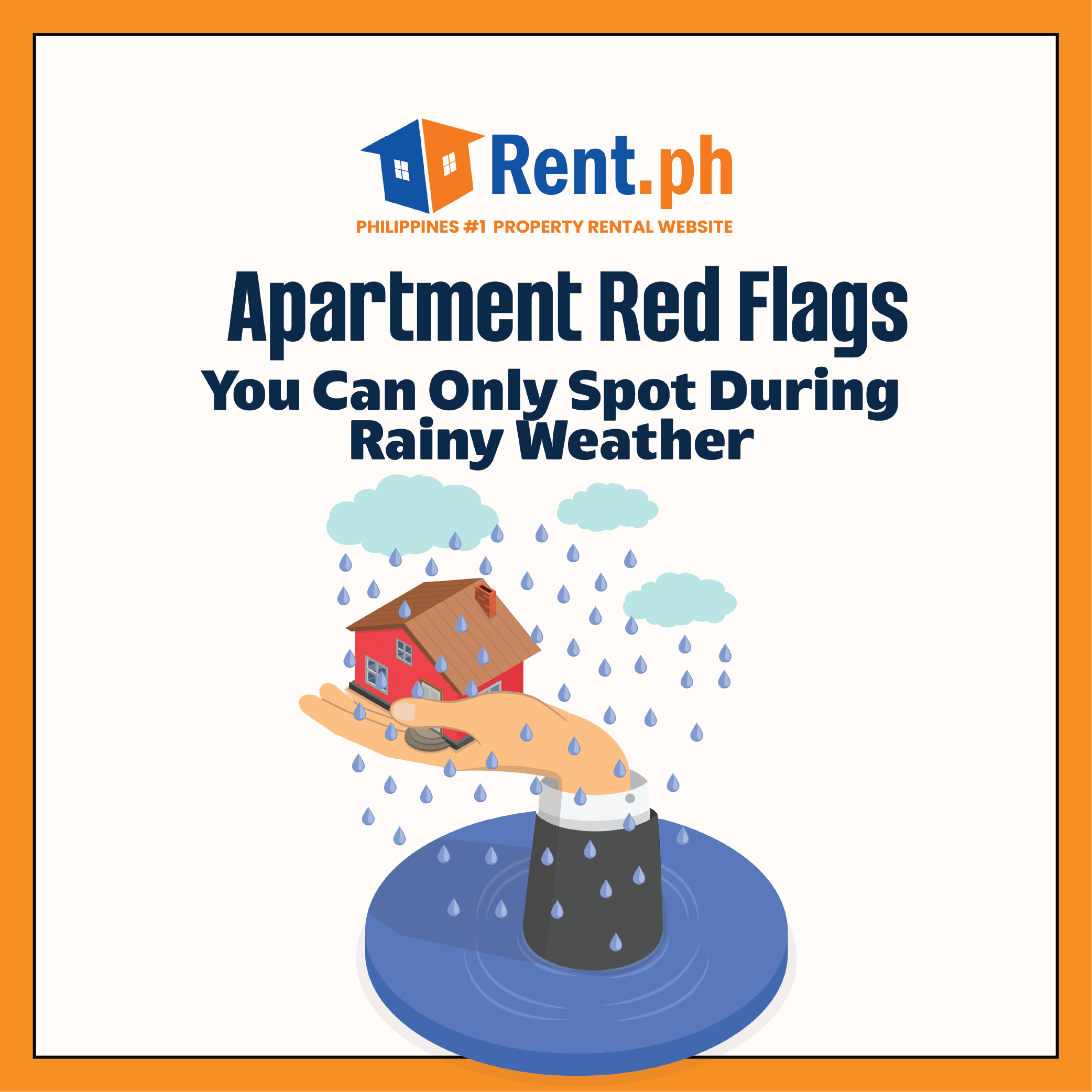
Apartment Hunting During the Rainy Season? Here Are the Red Flags You Should Never Ignore
The rainy season in the Philippines can be inconvenient, but for apartment hunters, it can actually be one of the best times to inspect a rental property.While sunny weather makes every apartment look clean and inviting, heavy rain reveals problems that landlords—and sometimes even current tenants—may not notice until it's too late. Roof leaks suddenly appear, drainage systems overflow, walls become damp, and common areas turn dangerously slippery.If you're searching for your next rental home, don't think of rainy days as an obstacle. Instead, see them as an opportunity to inspect how well a property holds up when faced with real weather conditions.Here are the biggest apartment red flags you can only spot during rainy weather—and why paying attention to them could save you from costly repairs, damaged belongings, and unnecessary stress.1. Water Leaks on the Ceiling and WallsOne of the most obvious signs of a poorly maintained apartment is water leaking through the ceiling or walls during heavy rain.Sometimes, leaks are dramatic, with water dripping into buckets. Other times, they're much harder to notice.Look for:Yellow or brown water stains Peeling paint Bubbling wall surfaces Damp patches Moldy corners Freshly repainted ceiling sections that look different from the rest Fresh paint isn't always a bad sign, but if only one area has recently been repainted, ask why.Even a tiny leak can worsen over time, damaging furniture, electronics, clothing, and important documents.Don't hesitate to ask the landlord:Has the roof been repaired recently? Have previous tenants reported leaks? What happens if a leak appears after moving in? Responsible landlords should be transparent about maintenance history.2. Poor Roof ConditionNot every roof problem causes an immediate leak.Sometimes you'll hear unusual sounds during rain:Loud dripping inside the ceiling Water running through roof cavities Constant tapping in unexpected areas If you can safely view the roof from outside, inspect for:Missing roofing sheets Rust Sagging areas Loose gutters Visible repairs Older roofs aren't necessarily bad, but neglected roofs often become expensive problems later.A strong roof protects not only the apartment but also your peace of mind during typhoons.3. Clogged Drainage Around the PropertyOne of the easiest ways to judge property maintenance is by watching how quickly rainwater drains.Walk around the building after rainfall.Notice whether water:Pools near entrances Collects beside walls Floods parking spaces Covers sidewalks Flows toward apartment doors Standing water usually indicates poor drainage.Aside from making walking difficult, stagnant water attracts mosquitoes and increases the risk of flooding during stronger storms.Ask yourself:If this is only moderate rain, what happens during a typhoon?That simple question can reveal whether the property is prepared for extreme weather.4. Mold and Musty SmellsSometimes an apartment looks perfectly clean but smells damp.Trust your nose.A persistent musty odor often signals hidden moisture problems behind walls, ceilings, or flooring.Watch for:Black mold Green mold Dark wall spots Damp closets Moist cabinets Soft drywall Mold doesn't just affect the apartment's appearance.It can trigger allergies, worsen asthma, irritate the skin, and create long-term health concerns.Good ventilation and regular maintenance should prevent excessive mold growth.5. Poor VentilationRainy weather naturally increases indoor humidity.A well-designed apartment should still feel comfortable despite the weather.Signs of poor ventilation include:Windows covered in condensation Damp air Lingering cooking smells Clothes taking days to dry Bathrooms remaining wet for hours Apartments with limited airflow become uncomfortable throughout the rainy season.Good ventilation also helps reduce mold, mildew, and unpleasant odors.When viewing a property, open the windows and observe whether fresh air circulates naturally.6. Slippery Hallways and Common AreasSafety matters just as much as comfort.Rain quickly exposes whether common areas were designed with safety in mind.Pay attention to:Entrance steps Outdoor tiles Hallways Parking ramps Staircases Walkways If these areas become extremely slippery after rain, residents face a higher risk of accidents.Well-maintained buildings often include:Anti-slip flooring Proper drainage Covered walkways Handrails Regular cleaning Don't overlook shared spaces—they're part of your daily living experience.7. Windows That Let Rain InsideHeavy winds often push rain sideways.Poorly sealed windows allow moisture to enter the apartment.Inspect for:Water around window frames Damp curtains Wet window sills Rusty locks Loose frames Close and open each window.Do they lock properly?Do they feel secure?Windows should protect your home—not become another source of leaks.8. Flood-Prone SurroundingsEven if the apartment itself stays dry, the surrounding neighborhood matters.Ask nearby residents:Does this street flood? How deep does the water get? How long before floodwater subsides? Local residents usually provide honest answers because they've experienced previous rainy seasons firsthand.Also observe nearby canals and drainage systems.Overflowing waterways during normal rainfall could indicate future flooding risks.9. Electrical Safety ConcernsWater and electricity never mix.During rainy inspections, check whether electrical outlets are located near potential leak areas.Look for:Exposed wiring Rust around outlets Flickering lights Extension cords used permanently Circuit breakers showing signs of water exposure If anything looks unsafe, ask the landlord about electrical inspections.Your family's safety should always come first.10. Doors That Swell During Wet WeatherHumidity causes wooden doors to expand.Some apartments develop doors that:Stick Become difficult to close Drag across the floor No longer lock properly While this may seem like a minor inconvenience, it often indicates excessive indoor moisture or poor material quality.Test every door—including bathroom doors and balcony access.11. Pest Problems Become More VisibleRain often drives pests indoors.During your visit, watch for evidence of:Cockroaches Ant trails Mosquito breeding areas Rodent droppings Termite damage A clean apartment should still remain relatively pest-free even during wet weather.Ask how often pest control services are scheduled.12. Slow-Drying Laundry AreasMany apartment dwellers rely on balconies or shared drying spaces.During the rainy season, these areas become especially important.Check whether:The laundry area has adequate roofing. Water drains properly. Clothes receive enough airflow. Drying racks stay protected from direct rain. Poor laundry facilities may seem like a small issue until you're waiting days for clothes to dry.Questions Every Renter Should Ask During Rainy Season ViewingsBefore signing a lease, consider asking these practical questions:Has this apartment ever experienced flooding? When was the roof last inspected? How are maintenance requests handled? Who is responsible for repairs caused by leaks? How quickly are emergency issues addressed? Are drainage systems cleaned regularly? Are common areas inspected during storms? Clear answers indicate responsible property management.Why Rainy Days Are Actually the Best Time to View ApartmentsMany renters prefer viewing apartments on bright, sunny days because everything appears more inviting. However, rainy weather provides a more realistic picture of how the property performs under challenging conditions.Rain reveals issues that might otherwise remain hidden until after you've signed the lease. From roof leaks and drainage problems to poor ventilation and slippery walkways, these concerns are much easier to identify when the weather puts the building to the test.Instead of postponing your viewing because of rain, consider it an opportunity. Bring an umbrella, wear appropriate footwear, and take your time inspecting both the apartment and its surroundings.A careful inspection today can save you from expensive repairs, damaged belongings, and countless frustrations later.Final ThoughtsFinding the right apartment isn't just about location, rental price, or attractive interiors. It's also about choosing a home that remains safe, comfortable, and reliable no matter the season.The Philippine rainy season can uncover hidden issues that aren't visible on bright, sunny days. By paying close attention to signs like leaks, clogged drainage, poor ventilation, mold, slippery common areas, and flood-prone surroundings, you'll be in a better position to make an informed decision before signing any lease.At RentPH, we believe that a successful rental experience starts with knowing what to look for. Whether you're searching for your first apartment or planning your next move, taking the time to inspect a property during rainy weather can help you avoid costly surprises and enjoy greater peace of mind.Remember, a beautiful apartment isn't always a good apartment. The best rental is one that stays dry, safe, and comfortable—even when the rain won't stop.
Jul 23, 2026
|
192 views
Why Some Rental Homes Feel Right the Moment You Walk In: The Psychology Behind Comfortable Living Spaces
Finding a rental home isn't always about checking off a list of amenities. Sometimes, you step inside a unit and instantly think, "This feels like home." Other times, even a larger or more expensive apartment can feel cold, uncomfortable, or unwelcoming.Why does this happen?The answer lies in the psychology of space. Our brains constantly interpret our surroundings through light, color, airflow, proportions, textures, and layout—even before we consciously notice them. These subtle design elements influence our mood, stress levels, productivity, and overall well-being.Whether you're searching for your next apartment, condo, or house for rent in the Philippines, understanding what makes a space feel comfortable can help you choose a home you'll genuinely enjoy living in.Here's why some rental homes instantly feel better than others.Your Brain Judges a Space Within SecondsResearch in environmental psychology suggests that people form impressions about indoor spaces almost immediately. Within moments of entering a room, your brain begins evaluating questions such as:Is this place safe? Can I relax here? Is it bright or gloomy? Does it feel crowded? Will I enjoy spending time here? These reactions happen automatically. They're influenced by years of experience, cultural preferences, and biological responses to light and space.That's why two apartments with nearly identical floor areas can create completely different emotional reactions.1. Natural Lighting Makes a Huge DifferencePerhaps the biggest factor influencing comfort is natural light.Bright spaces naturally make people feel:More energetic Happier More productive Less stressed More awake during the day Sunlight also helps regulate our body's internal clock, improving sleep quality and overall mood.When viewing a rental property, visit during daytime whenever possible. Observe:How much sunlight enters the rooms? Which areas remain dark? Does the unit require lights even during the afternoon? Are windows blocked by neighboring buildings? Homes with generous natural lighting often feel larger, cleaner, and more inviting.2. Good Ventilation Creates Instant ComfortAnyone living in the Philippines understands the importance of airflow.A beautifully designed apartment can still feel uncomfortable if it's hot and stuffy.Proper ventilation offers several benefits:Better indoor air quality Reduced humidity Less mold growth Lower indoor temperatures Improved comfort without relying solely on air conditioning Cross ventilation—where air flows from one side of the home to another—is especially valuable.During a viewing, try opening windows and doors. Feel whether fresh air moves naturally through the unit.If the air feels trapped, imagine living there during the hottest months of summer.3. Layout Matters More Than SizeMany renters focus on square meters.But layout often matters far more than total floor area.A well-designed 25-square-meter studio can feel more spacious than a poorly arranged 35-square-meter apartment.Good layouts provide:Clear walking paths Defined living areas Easy furniture placement Efficient storage opportunities Comfortable room proportions Poor layouts often create:Awkward corners Wasted space Narrow hallways Furniture obstacles Crowded living conditions Always imagine where your existing furniture would go before signing a lease.4. Ceiling Height Changes How a Home FeelsHigh ceilings can make even compact homes feel open and relaxing.Lower ceilings aren't necessarily bad, but they can sometimes create a sense of confinement—especially in rooms with limited natural light.If you're choosing between two similar rental units, notice:How open does the ceiling feel? Are there exposed beams? Does the room feel airy? These details subtly affect how spacious a home appears.5. Color Influences Your Mood Every DayColors affect emotions more than most people realize.Neutral tones such as:White Beige Cream Light gray often create feelings of calmness and cleanliness.Soft earth tones make spaces feel warm and cozy.Meanwhile, overly dark walls can sometimes make small rooms appear even smaller.That doesn't mean colorful homes are bad.Instead, balanced colors usually create the most comfortable environment.If you're renting, remember that furniture, curtains, rugs, and decorations can dramatically change how wall colors feel.6. Less Visual Clutter Feels More RelaxingOur brains constantly process visual information.A room filled with clutter, excessive decorations, or awkward furniture arrangements can increase mental fatigue.Simple, organized spaces often feel:Peaceful Cleaner Easier to maintain More spacious This doesn't require expensive furniture.Even a modest apartment can feel luxurious when it is organized well.7. Windows Connect Us With NatureHumans naturally enjoy visual access to outdoor environments.Even a small window overlooking:Trees Gardens Mountains Open skies Quiet streets can improve emotional well-being.Studies consistently show that seeing natural scenery reduces stress and improves concentration.If your rental doesn't offer spectacular views, adding indoor plants can create a similar calming effect.8. Noise Levels Affect Comfort More Than You ThinkComfort isn't only visual.Sound plays an enormous role.When viewing a rental, pause for a minute without talking.Ask yourself:Can you hear heavy traffic? Barking dogs? Karaoke? Construction? Loud neighbors? Some noise is unavoidable, especially in busy cities.However, constant unwanted noise can affect:Sleep Productivity Stress levels Overall happiness 9. Storage Reduces Everyday StressLiving comfortably isn't about owning more things.It's about having a place for the things you already own.Rental homes with practical storage solutions often feel more peaceful because daily clutter is easier to manage.Look for:Built-in cabinets Kitchen storage Bathroom shelves Bedroom closets Extra utility areas Hidden storage makes even smaller homes feel significantly larger.10. Cleanliness Creates Positive First ImpressionsPsychologically, cleanliness communicates safety.A freshly cleaned rental instantly feels more welcoming than one with dust, stains, or unpleasant odors.Pay attention to:Bathroom condition Kitchen cleanliness Mold Ceiling stains Window tracks Corners These small details reveal how well the property has been maintained.11. Comfortable Temperatures MatterThe Philippines experiences warm weather for much of the year.A comfortable home should naturally remain cooler whenever possible.Factors that help include:Proper window placement Shade from nearby trees Roof insulation Airflow Curtains that reduce heat Some units require air conditioning all day simply because of poor design.Energy-efficient homes save money while improving comfort.12. Personalization Turns a Rental Into a HomeEven the nicest apartment won't feel like home until it reflects your personality.Simple additions can make a dramatic difference:Family photos Artwork Throw pillows Cozy lighting Indoor plants Books Rugs Decorative baskets These personal touches help build emotional attachment to your living space—even if you're only renting temporarily.Always check your lease agreement before making permanent changes such as painting walls or installing shelves.Trust Your Feelings During Property ViewingsRental decisions are often based on price, location, and amenities.Those factors certainly matter.But don't ignore your instincts.If a space immediately feels calm, bright, comfortable, and welcoming, there's usually a reason.Likewise, if something feels "off," take time to identify why before signing a lease.Ask yourself:Can I picture myself relaxing here? Would I enjoy waking up in this room? Does this home reduce stress—or create it? Does the space fit my daily routine? Sometimes your emotional reaction is pointing out practical design strengths or weaknesses that your brain has already noticed.Finding a Rental That Supports Your Well-BeingThe perfect rental isn't necessarily the biggest or the most expensive.Instead, it's the one that supports your lifestyle, mental well-being, and daily routines.A home with natural light, fresh airflow, smart layout, calming colors, practical storage, and thoughtful design can make everyday life more enjoyable—even on a modest budget.When browsing rental listings, don't focus solely on monthly rent or floor area. Look beyond the numbers and imagine how the space will make you feel every single day.Because at the end of the day, a home isn't just where you sleep.It's where you recharge, create memories, build routines, and find comfort after a busy day. Choosing a rental that feels right from the moment you walk in can make all the difference in your quality of life.Website PostWhy Some Rental Homes Feel Right the Moment You Walk In: The Psychology Behind Comfortable Living SpacesFinding a rental home isn't always about checking off a list of amenities. Sometimes, you step inside a unit and instantly think, "This feels like home." Other times, even a larger or more expensive apartment can feel cold, uncomfortable, or unwelcoming.Why does this happen?The answer lies in the psychology of space. Our brains constantly interpret our surroundings through light, color, airflow, proportions, textures, and layout—even before we consciously notice them. These subtle design elements influence our mood, stress levels, productivity, and overall well-being.Whether you're searching for your next apartment, condo, or house for rent in the Philippines, understanding what makes a space feel comfortable can help you choose a home you'll genuinely enjoy living in.Here's why some rental homes instantly feel better than others.Your Brain Judges a Space Within SecondsResearch in environmental psychology suggests that people form impressions about indoor spaces almost immediately. Within moments of entering a room, your brain begins evaluating questions such as:Is this place safe? Can I relax here? Is it bright or gloomy? Does it feel crowded? Will I enjoy spending time here? These reactions happen automatically. They're influenced by years of experience, cultural preferences, and biological responses to light and space.That's why two apartments with nearly identical floor areas can create completely different emotional reactions.1. Natural Lighting Makes a Huge DifferencePerhaps the biggest factor influencing comfort is natural light.Bright spaces naturally make people feel:More energetic Happier More productive Less stressed More awake during the day Sunlight also helps regulate our body's internal clock, improving sleep quality and overall mood.When viewing a rental property, visit during daytime whenever possible. Observe:How much sunlight enters the rooms? Which areas remain dark? Does the unit require lights even during the afternoon? Are windows blocked by neighboring buildings? Homes with generous natural lighting often feel larger, cleaner, and more inviting.2. Good Ventilation Creates Instant ComfortAnyone living in the Philippines understands the importance of airflow.A beautifully designed apartment can still feel uncomfortable if it's hot and stuffy.Proper ventilation offers several benefits:Better indoor air quality Reduced humidity Less mold growth Lower indoor temperatures Improved comfort without relying solely on air conditioning Cross ventilation—where air flows from one side of the home to another—is especially valuable.During a viewing, try opening windows and doors. Feel whether fresh air moves naturally through the unit.If the air feels trapped, imagine living there during the hottest months of summer.3. Layout Matters More Than SizeMany renters focus on square meters.But layout often matters far more than total floor area.A well-designed 25-square-meter studio can feel more spacious than a poorly arranged 35-square-meter apartment.Good layouts provide:Clear walking paths Defined living areas Easy furniture placement Efficient storage opportunities Comfortable room proportions Poor layouts often create:Awkward corners Wasted space Narrow hallways Furniture obstacles Crowded living conditions Always imagine where your existing furniture would go before signing a lease.4. Ceiling Height Changes How a Home FeelsHigh ceilings can make even compact homes feel open and relaxing.Lower ceilings aren't necessarily bad, but they can sometimes create a sense of confinement—especially in rooms with limited natural light.If you're choosing between two similar rental units, notice:How open does the ceiling feel? Are there exposed beams? Does the room feel airy? These details subtly affect how spacious a home appears.5. Color Influences Your Mood Every DayColors affect emotions more than most people realize.Neutral tones such as:White Beige Cream Light gray often create feelings of calmness and cleanliness.Soft earth tones make spaces feel warm and cozy.Meanwhile, overly dark walls can sometimes make small rooms appear even smaller.That doesn't mean colorful homes are bad.Instead, balanced colors usually create the most comfortable environment.If you're renting, remember that furniture, curtains, rugs, and decorations can dramatically change how wall colors feel.6. Less Visual Clutter Feels More RelaxingOur brains constantly process visual information.A room filled with clutter, excessive decorations, or awkward furniture arrangements can increase mental fatigue.Simple, organized spaces often feel:Peaceful Cleaner Easier to maintain More spacious This doesn't require expensive furniture.Even a modest apartment can feel luxurious when it is organized well.7. Windows Connect Us With NatureHumans naturally enjoy visual access to outdoor environments.Even a small window overlooking:Trees Gardens Mountains Open skies Quiet streets can improve emotional well-being.Studies consistently show that seeing natural scenery reduces stress and improves concentration.If your rental doesn't offer spectacular views, adding indoor plants can create a similar calming effect.8. Noise Levels Affect Comfort More Than You ThinkComfort isn't only visual.Sound plays an enormous role.When viewing a rental, pause for a minute without talking.Ask yourself:Can you hear heavy traffic? Barking dogs? Karaoke? Construction? Loud neighbors? Some noise is unavoidable, especially in busy cities.However, constant unwanted noise can affect:Sleep Productivity Stress levels Overall happiness 9. Storage Reduces Everyday StressLiving comfortably isn't about owning more things.It's about having a place for the things you already own.Rental homes with practical storage solutions often feel more peaceful because daily clutter is easier to manage.Look for:Built-in cabinets Kitchen storage Bathroom shelves Bedroom closets Extra utility areas Hidden storage makes even smaller homes feel significantly larger.10. Cleanliness Creates Positive First ImpressionsPsychologically, cleanliness communicates safety.A freshly cleaned rental instantly feels more welcoming than one with dust, stains, or unpleasant odors.Pay attention to:Bathroom condition Kitchen cleanliness Mold Ceiling stains Window tracks Corners These small details reveal how well the property has been maintained.11. Comfortable Temperatures MatterThe Philippines experiences warm weather for much of the year.A comfortable home should naturally remain cooler whenever possible.Factors that help include:Proper window placement Shade from nearby trees Roof insulation Airflow Curtains that reduce heat Some units require air conditioning all day simply because of poor design.Energy-efficient homes save money while improving comfort.12. Personalization Turns a Rental Into a HomeEven the nicest apartment won't feel like home until it reflects your personality.Simple additions can make a dramatic difference:Family photos Artwork Throw pillows Cozy lighting Indoor plants Books Rugs Decorative baskets These personal touches help build emotional attachment to your living space—even if you're only renting temporarily.Always check your lease agreement before making permanent changes such as painting walls or installing shelves.Trust Your Feelings During Property ViewingsRental decisions are often based on price, location, and amenities.Those factors certainly matter.But don't ignore your instincts.If a space immediately feels calm, bright, comfortable, and welcoming, there's usually a reason.Likewise, if something feels "off," take time to identify why before signing a lease.Ask yourself:Can I picture myself relaxing here? Would I enjoy waking up in this room? Does this home reduce stress—or create it? Does the space fit my daily routine? Sometimes your emotional reaction is pointing out practical design strengths or weaknesses that your brain has already noticed.Finding a Rental That Supports Your Well-BeingThe perfect rental isn't necessarily the biggest or the most expensive.Instead, it's the one that supports your lifestyle, mental well-being, and daily routines.A home with natural light, fresh airflow, smart layout, calming colors, practical storage, and thoughtful design can make everyday life more enjoyable—even on a modest budget.When browsing rental listings, don't focus solely on monthly rent or floor area. Look beyond the numbers and imagine how the space will make you feel every single day.Because at the end of the day, a home isn't just where you sleep.It's where you recharge, create memories, build routines, and find comfort after a busy day. Choosing a rental that feels right from the moment you walk in can make all the difference in your quality of life.

Jul 20, 2026
|
277 views
South-Facing vs. North-Facing Apartments in the Philippines: Which One Should You Choose?
Choosing an apartment isn't just about the monthly rent, location, or number of bedrooms. One often-overlooked factor that can significantly affect your comfort and monthly expenses is the direction your apartment faces.In a tropical country like the Philippines, where temperatures can stay warm throughout the year, the orientation of your apartment can influence everything from indoor temperature and natural lighting to ventilation and electricity consumption. While many renters focus on amenities and accessibility, understanding how the sun moves throughout the day can help you make a smarter rental decision.So, is a north-facing apartment better than a south-facing one? The answer depends on your lifestyle, your priorities, and the local environment.Let's explore how apartment orientation affects your everyday living and determine which direction might be the perfect fit for you.Why Apartment Orientation MattersApartment orientation refers to the direction the main windows, balcony, or living area faces. It determines how much sunlight enters your home during different times of the day and affects how heat builds up inside the unit.In the Philippines, where the climate is generally hot and humid, even small differences in sun exposure can have a noticeable impact on your comfort and utility bills.The right orientation can provide:Better natural lightingCooler indoor temperaturesImproved airflowLower electricity costsMore comfortable living spacesBefore signing a lease, it's worth asking the landlord or property agent which direction the unit faces.Understanding the Sun's Path in the PhilippinesThe Philippines is located near the equator, meaning the sun travels high across the sky throughout the year. However, sunrise still occurs in the east while sunset occurs in the west.This means:East-facing units receive morning sunlight.West-facing units receive intense afternoon heat.North-facing units generally receive softer, more consistent lighting.South-facing units experience stronger sunlight depending on the season.Because afternoon sunlight is much hotter than morning sunlight, avoiding excessive west exposure is often one of the biggest priorities for renters.What Is a North-Facing Apartment?A north-facing apartment has its primary windows or balcony facing north.Advantages1. Cooler Indoor TemperatureNorth-facing units generally avoid the harsh afternoon sun. Since they receive less direct sunlight during most of the day, they tend to stay cooler.This is especially beneficial during the dry season when outdoor temperatures can become extremely high.2. Lower Electricity BillsA naturally cooler apartment often requires less air-conditioning.If you're someone who spends most afternoons and evenings at home, a north-facing unit could help reduce electricity consumption over time.3. Comfortable Natural LightingNorth-facing apartments usually receive bright but indirect sunlight.The lighting is softer, reducing glare while still keeping rooms well illuminated.This makes them ideal for:Remote workersStudentsReadersArtistsPeople who spend long hours indoors4. Better for ElectronicsLess direct sunlight also means electronics, furniture, curtains, and flooring are less exposed to heat damage and fading.Possible Downsides of North-Facing UnitsNo apartment orientation is perfect.North-facing units may have:Slightly dimmer interiors on cloudy daysLess morning sunshineRooms that may feel darker if nearby buildings block natural lightFortunately, large windows can usually compensate for this.What Is a South-Facing Apartment?A south-facing apartment has its main windows facing south.Because of the Philippines' tropical location, south-facing units can receive varying amounts of sunlight depending on the season.Advantages1. Brighter Living SpacesSouth-facing apartments often enjoy abundant daylight throughout much of the day.If you love naturally bright interiors, this orientation can be attractive.2. Great for Indoor PlantsMany houseplants thrive in bright natural light.If you're building an indoor garden, south-facing windows may provide excellent growing conditions.3. Reduced Need for Daytime LightingMore daylight means less dependence on artificial lighting during the day.This can slightly reduce electricity usage for lighting.Possible Downsides of South-Facing UnitsThe biggest concern is heat.During certain months, south-facing apartments can become noticeably warmer.This may lead to:Increased air-conditioner usageHigher electricity billsWarmer bedrooms during the afternoonMore noticeable heat buildupProper curtains, blinds, and window tinting can help reduce heat gain.How Orientation Affects Natural VentilationSunlight isn't the only factor.Good airflow depends on:Building designWindow placementNearby structuresPrevailing wind directionIn many parts of the Philippines, the northeast monsoon (Amihan) and southwest monsoon (Habagat) influence airflow throughout the year.A unit with windows on opposite sides generally enjoys better cross-ventilation than one with windows on only one side, regardless of orientation.When viewing a property, open the windows and observe whether fresh air flows naturally through the rooms.Which Orientation Saves More Electricity?Electricity consumption is affected by several factors.Cooling CostsNorth-facing apartments often consume less electricity because they stay cooler naturally.Lighting CostsSouth-facing apartments may save a little on lighting because they receive more daylight.However, air-conditioning usually accounts for a much larger portion of household electricity bills than lighting.As a result, many renters find that cooler apartments offer greater long-term savings.Which Orientation Is Better for Working from Home?If you regularly work from home, comfort becomes even more important.A cooler room helps:Improve concentrationReduce fatigueMinimize computer overheatingLower cooling costs during long work hoursMany remote workers prefer north-facing apartments because the softer lighting reduces glare on computer screens.Which Is Better for Families?Families with young children or elderly members often appreciate cooler indoor temperatures.Less heat means:More comfortable napsBetter sleepReduced risk of overheatingLower cooling expensesParents may also appreciate consistent daylight without excessive afternoon heat.Which Orientation Is Better for Sleep?Bedrooms that receive direct afternoon sunlight tend to remain warmer into the evening.Cooler bedrooms often promote better sleep quality.If your bedroom faces north and avoids prolonged afternoon heat, sleeping may become more comfortable, especially during summer.Apartment Orientation Isn't EverythingWhile orientation matters, it shouldn't be your only deciding factor.Also consider:LocationFlood riskSecurityInternet availabilityWater supplyNoise levelsParkingAccessibilityBuilding maintenanceProperty managementA well-maintained apartment with excellent ventilation may outperform a poorly designed unit even if its orientation isn't ideal.Questions to Ask During Property ViewingBefore renting, consider asking:Which direction does the apartment face?Does the unit receive afternoon sunlight?Is cross-ventilation available?Are the windows large enough?How much is the average monthly electricity bill?Are blackout curtains installed?Does the building become hot during summer?These questions can help you avoid unpleasant surprises after moving in.Final ThoughtsThere isn't a single "best" apartment orientation for everyone.If your priority is a cooler home, lower electricity bills, comfortable working conditions, and softer natural lighting, a north-facing apartment is often the better choice.If you love bright interiors, enjoy growing indoor plants, and don't mind using air-conditioning during warmer months, a south-facing apartment can still be an excellent option.Ultimately, the best apartment is one that matches your lifestyle, budget, and daily routine. Before signing any lease, visit the property at different times of the day to experience its lighting, temperature, and airflow firsthand.At RentPH, we believe informed renters make better decisions. Whether you're looking for your first apartment, upgrading to a bigger space, or comparing different properties, understanding details like apartment orientation can help you find a home that's comfortable, energy-efficient, and worth every peso. Explore RentPH's listings and helpful home rental guides to make your next move with confidence.